
Daria is from Yekaterinburg, a big city in Russia. English is not her first language. She teaches it in Vietnam anyway, because she speaks it well and her accent is clear. In Vietnam, that is what gets you hired. Not your passport.
We sat down with her in a cafe and asked the questions people are too polite to ask. Here is her real month, the good parts and the hard ones.
Back home, the ceiling was low
In Russia she taught kids at an English center and gave private lessons on the side. She moved house to house across the city. On paper it was 4 to 5 hours a day, but with all the travel between homes it swallowed the whole day. Her best month came to about $600.
She is a good teacher. The pay was the problem, not the work. A better position back home was possible, she says, but it would have taken years.
She thought about it for a whole year
Daria did not jump. It was summer, she was tired, and getting out of Russia kept getting more expensive. Then she saw a post from an agency online and a small thought started.
Why not me?
She sat with it for a year. She followed teachers who had already moved to Vietnam, watched their lives from her phone, and waited to see if the feeling held. It did. Watching real people for a year is also why she never worried it was a scam. You cannot fake a year of a life abroad.
Her parents did not believe her
The hardest part was at home. Her parents did not think she would go through with it.
They just didn't believe that I really would go.
She went anyway. Since then her mom and sister have flown out to visit her twice. They came to Da Nang, walked on the beach, ate the fruit, and could not get over how affordable it all was.
The welcome
Colleagues from her center met her at the airport. She is 173 centimeters tall, and standing next to them in her crocs she felt like a giant. They took her to eat at what looked less like a cafe and more like a tent on the side of the road. Her first thought was, can I really eat here? Then the food was good, her stomach was fine, and that was that.
Her first week had one funny problem. She only had dollars and a Russian card, and half the places in Bac Ninh could not take either. So the shop owners handed her free coffee and buns, as gifts. That was her introduction to Vietnam.
The work is light
Daria teaches in Bac Ninh, a province about an hour from Hanoi. She comes in at 5, puts on her uniform, prints what she needs, and starts at 5:30. Tuesday to Friday it is two lessons, an hour and a half each, finished by 8:45. Weekends are afternoons. She gets one day off. That comes to about three hours of real teaching a day, in one building.
Sometimes I feel like I'm doing nothing. I just chill.
It was not always this easy. The first month she had to write lesson plans and hand them in, and the school checked every lesson. Once they saw she knew what she was doing, they let her be. Her salary is about $1,200 a month, depending on hours.
The money adds up
Her rent is about 7 million Vietnamese dong, around $280. The school covers 2 million of it, so she pays about $200. Food surprised her most.
I never cook. Like not once. It's crazy for a teacher.
Cafes and restaurants are everywhere and cost almost nothing, so she orders through Grab whenever she is hungry. Her favourite is bun cha. Pho, she says, she could eat every day.
Weekends in Hanoi
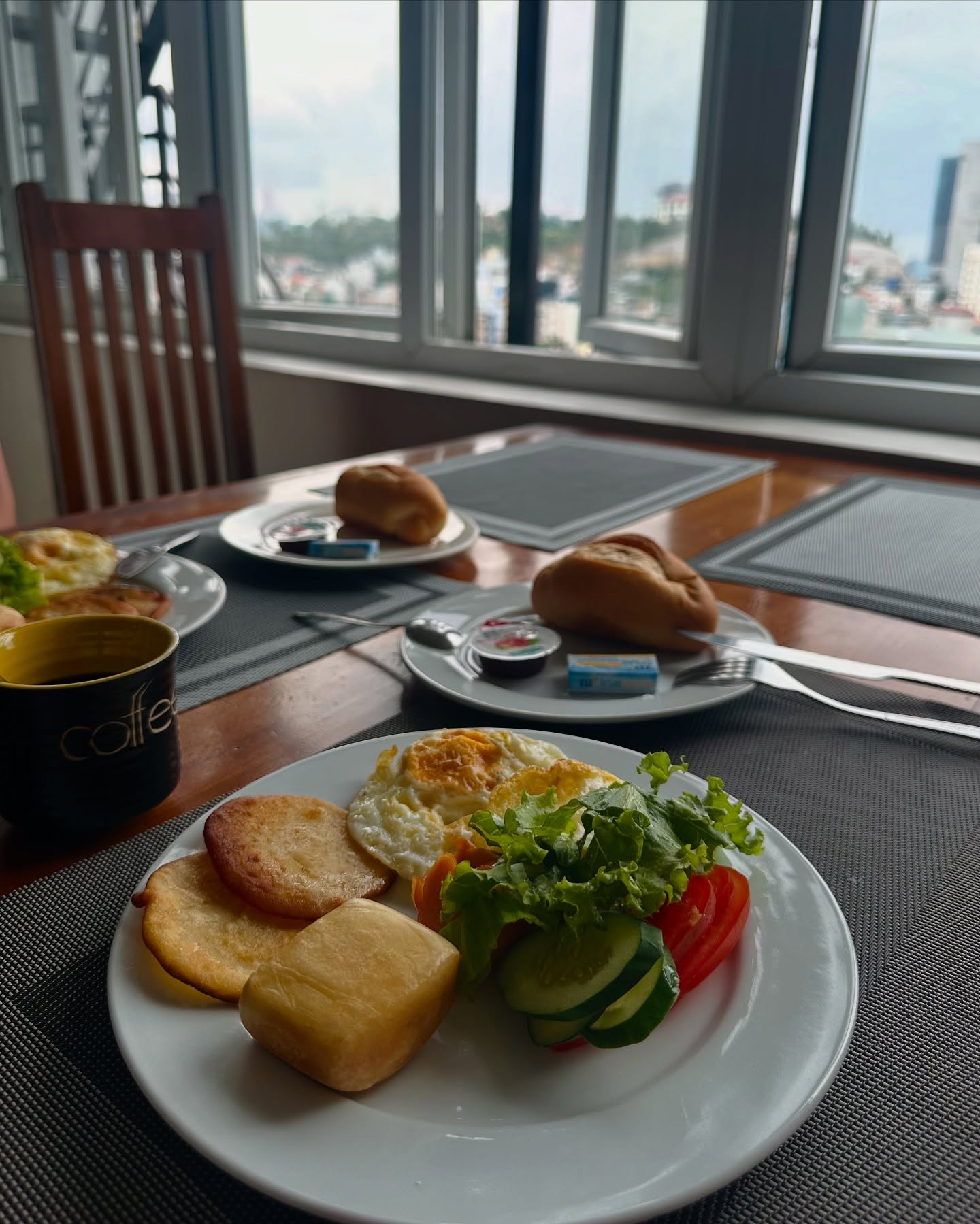
About once a week she goes into Hanoi and stays a night or two in a hotel. The public bus takes an hour and costs 15,000 dong, roughly 70 cents, on the new buses they brought in recently. She does not drive a motorbike. She calls a Grab and lets someone else deal with the traffic.
Travel stopped being a someday thing
Before in Russia you had to save your money for one year to go for one week somewhere. Here you just can go.
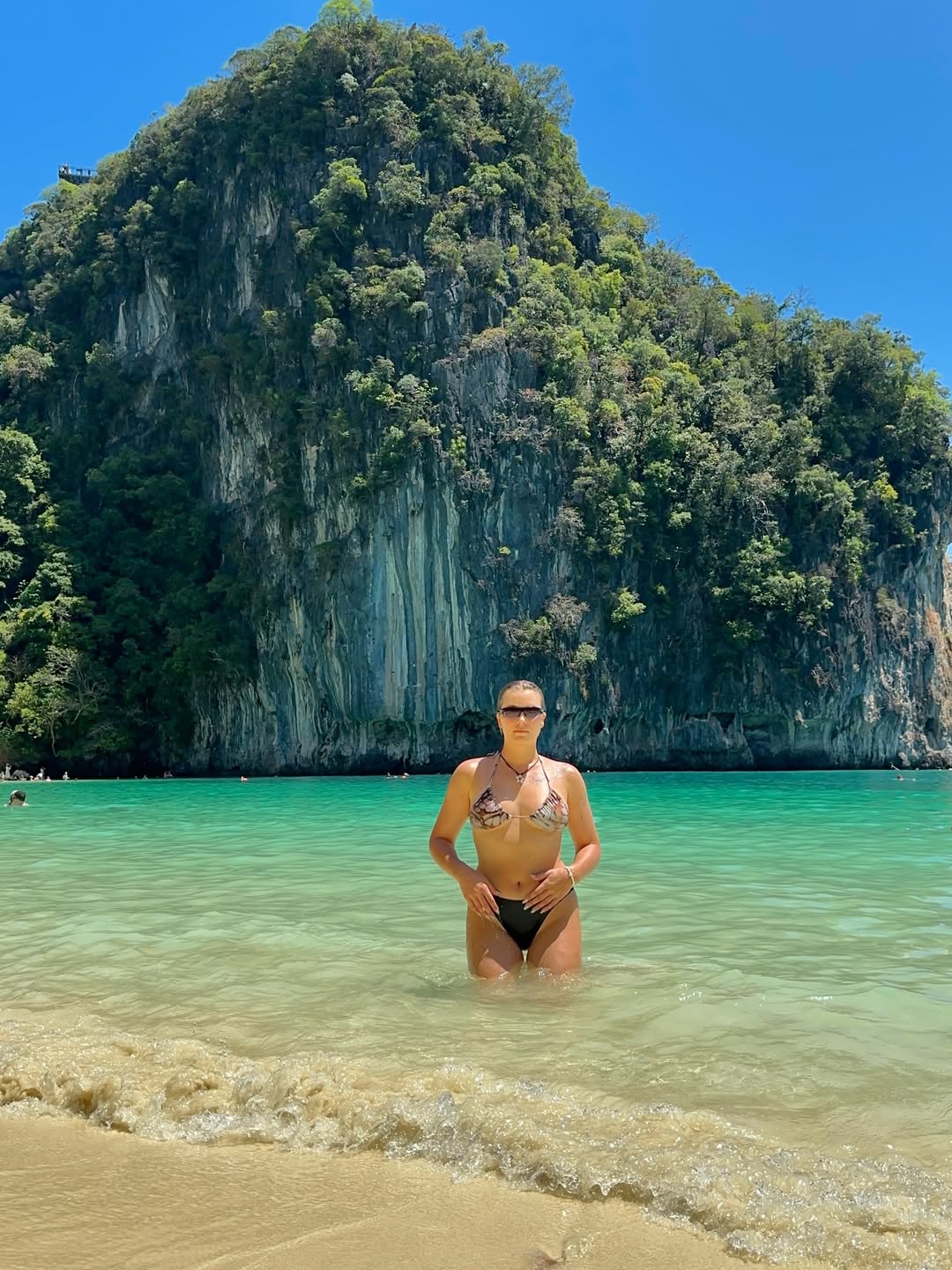
Since moving she has seen Sapa, Ninh Binh, Ha Long and Cat Ba inside Vietnam, been to Thailand twice, and made it to Malaysia. All of it on a teacher's pay, and none of it planned around a year of saving.

Coffee, and the chill culture
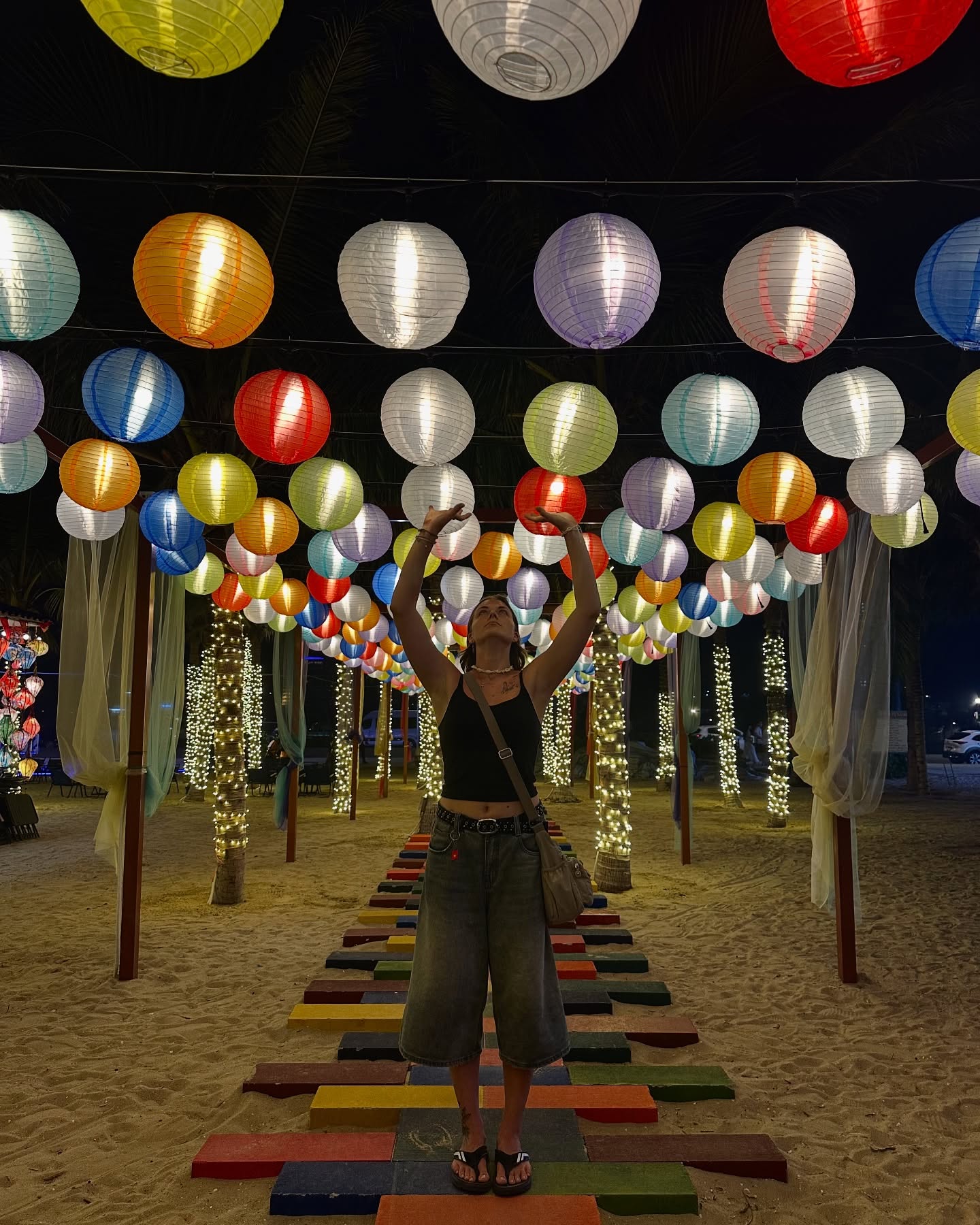
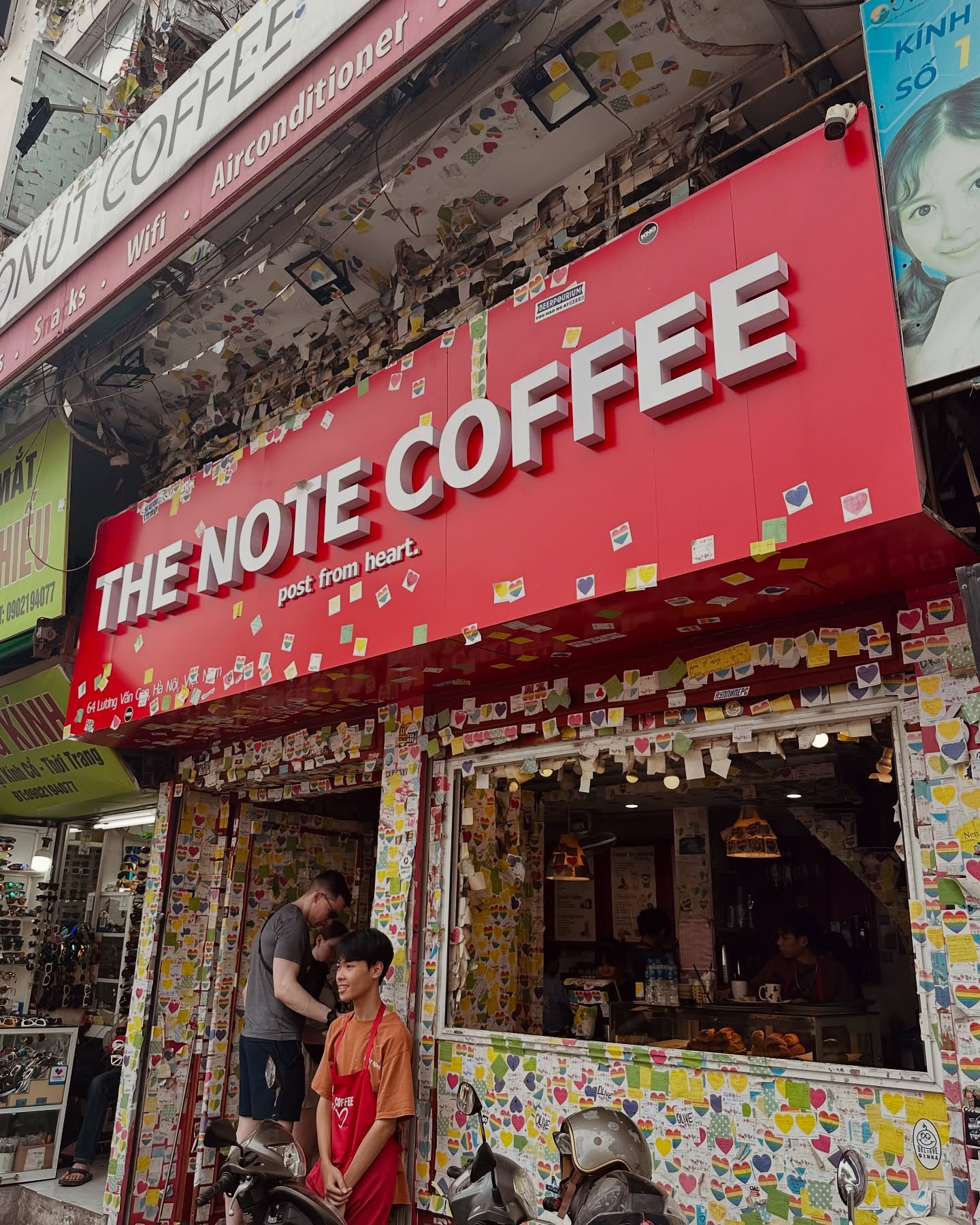
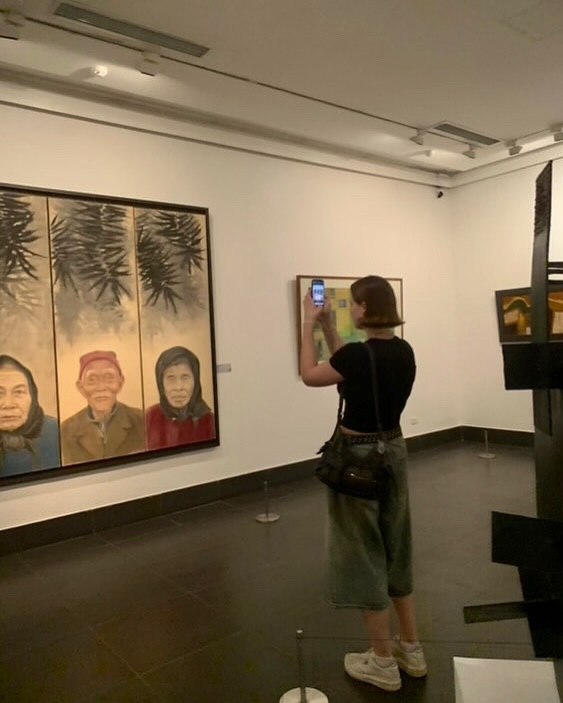
The thing she talks about most is the pace. She calls it chill culture. In Vietnam there is a coffee shop roughly every hundred meters, each with its own look, and locals and students sit in them for hours to study and hang out. She reads there, draws, goes to the gym, does Pilates. On a schedule this light, the day is mostly hers.
A second income, and a modelling gig she did not plan
In her free time she teaches Russian students online, so there is a second paycheck on top of the school. Then there is the part she did not see coming. She met some locals in Bac Ninh, and later they opened a clothing shop and asked her to model for it. They filmed a video, shot photos, and now call her in every so often. They pay her in free clothes. She loves the local brands, cheap and everywhere, and her wardrobe has gotten a little out of hand.
Is it safe?
This is the question women ask most. Daria's answer starts on day one. Her first night, she went out and walked around at 11 or 12.
On my first day I went to walk at 11 or 12 at night and I thought, wow, it's so safe.
She is from a big city, so she noticed it right away. She wears whatever she wants and nobody blinks. Walking alone at night, the low hum of worry she carried back home is not there.
The honest downsides
Daria will not pretend it is all easy. Vietnamese work culture took getting used to. You have to say things twice and stay persistent, especially at work. There is not much concept of personal boundaries either. Someone might call you at 9 in the morning when your shift does not start until 5, and think nothing of it.
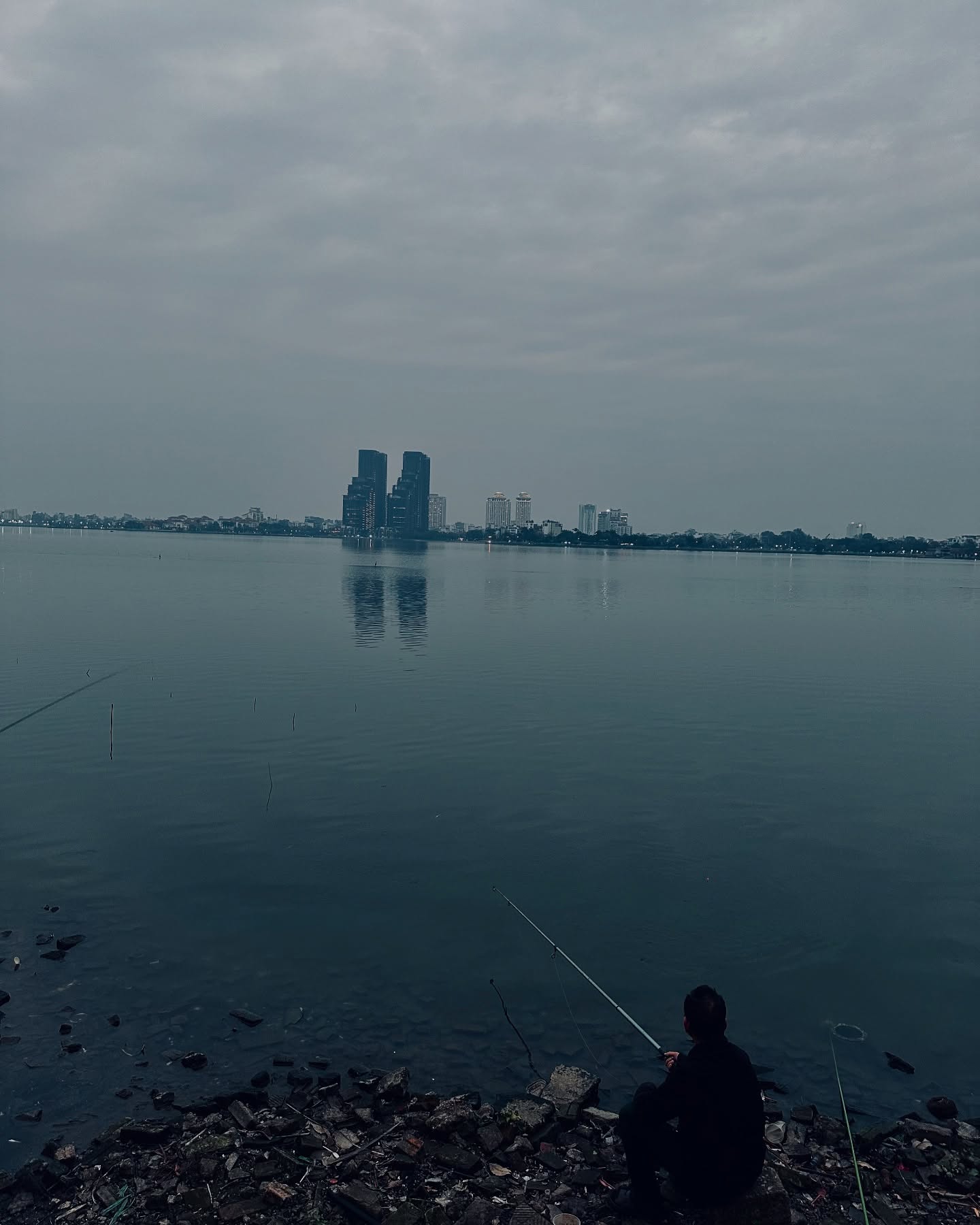
Province life is quiet. Where she lives there is no real foreigner community, and after work there is not much going on. The trade is real, though. She saves far more than a city would let her, and her commute is 10 minutes instead of the hour some teachers lose each way in Hanoi.
Her advice
Ask her what she would tell someone still sitting at home, and she does not hedge.
If you don't try, you never know how it is.
She is honest that it is not for everyone. If you dislike travel, or you tense up when everything around you changes, or you find it hard to adapt, Vietnam will be hard on you.
It's super important to be flexible.
For everyone else, her verdict is short. She had only good experiences, nothing that scared her, and she still took a year to decide. Most people take one, two, three. Her nudge is to move sooner, because September comes around fast and schools need teachers.
Want the real numbers before you decide anything?
Daria checked salaries, rent and schedules for a year before she moved. Take the free 2-minute quiz and see if teaching in Vietnam is realistic for someone like you.
No email required to start. Takes 2 minutes.
Frequently Asked Questions
Do you have to be a native English speaker to teach in Vietnam?+
No. Daria is from Russia and English is not her first language. Schools in Vietnam hire on how well you speak and how clear your accent is. UP2U has placed 700 or more teachers from 40 or more countries since 2017.
How much do English teachers earn in Vietnam?+
Daria earns about $1,200 a month for roughly 90 hours of teaching. Pay depends on your hours and location. For a full breakdown by city, we have a free 2026 salary guide.
How many hours do English teachers work in Vietnam?+
Daria teaches about three hours a day, in one building, with one day off a week. A typical teaching load in Vietnam is around 20 to 25 hours a week.
How much is rent, and can you save money?+
Daria pays about $200 a month after her school covers part of it. Her full rent is about $280. She never cooks, food is cheap, and living in a province means fewer places to spend, so she saves more than she could in a big city.
Is it safe for a woman to move to Vietnam alone?+
Daria walks alone at night and says it feels safe. No place is perfect, but she noticed the difference from her first night.
Is teaching in Vietnam right for everyone?+
No, and Daria is honest about it. If you dislike travel, struggle when things change, or find it hard to adapt, it will be hard. The people who do well here are the flexible ones.