
Cost of Living in Vietnam for English Teachers — Real Numbers for 2026
What you'll actually spend, save, and have left over every month.
No Instagram-filtered "$300/month paradise" fantasy. Just raw data from teachers who actually live there, broken down category by category so you can plan your move with real numbers.
Let's get something out of the way immediately.
If you've ever seen someone on social media claiming they live like royalty in Vietnam on $300 a month, they're either lying, living in a closet with no AC, or eating nothing but instant noodles. Those numbers are technically possible in the same way that sleeping on a park bench is technically "free accommodation." It's not what you want.
This guide is built from real numbers, collected from real English teachers currently living in Vietnam in 2026. Not influencers. Not tourists on a two-week trip who ate street food three times and declared Vietnam "basically free." Actual working teachers who pay rent, buy groceries, go to the gym, drink coffee every morning, and occasionally treat themselves to a decent dinner.
We've compiled expense data from teachers across Ho Chi Minh City, Hanoi, Da Nang, and Ha Long Bay, because costs vary dramatically depending on where you live. We'll break it all down so you can walk into this with a clear, realistic picture of what your life will actually cost.
Ready? Let's get into it.
The Quick Summary
Before we drill into each category, here's the bird's-eye view. These ranges represent what most teachers actually spend per month in Vietnam, depending on lifestyle:
Comfortable Lifestyle
Own apartment, eat out regularly, gym, social life
Luxury Lifestyle
Nice apartment, Western food, regular travel, premium gym
Bare Minimum
Shared apartment, mostly street food, minimal extras
Most teachers we work with land in the $600–$900 range and live extremely well. That includes their own apartment, eating out multiple times a week, a gym membership, regular coffee shop visits, and the occasional weekend trip.
Now let's break down exactly where that money goes.
Rent
Housing is your biggest monthly expense, and the one with the most variation. What you pay depends heavily on the city, the neighborhood, and whether you want to live alone or share a place.
Rent by Type
For that price, you're typically getting a fully furnished apartment with air conditioning, WiFi included, a balcony, and often a washing machine. Some buildings even come with a rooftop pool and a gym. This isn't some bare-bones hostel situation. Vietnamese landlords know the expat market, and they furnish their apartments to attract tenants who are used to modern living standards.
A few tips that will save you money and headaches: Use Facebook groups to find apartments. The "Expats in Ho Chi Minh City" and "Hanoi Massive" groups are goldmines. Negotiate in person — landlords almost always start with a higher price and expect you to counter. And avoid broker fees by dealing directly with the landlord whenever possible. Many apartments listed on Facebook are posted by the owners themselves.
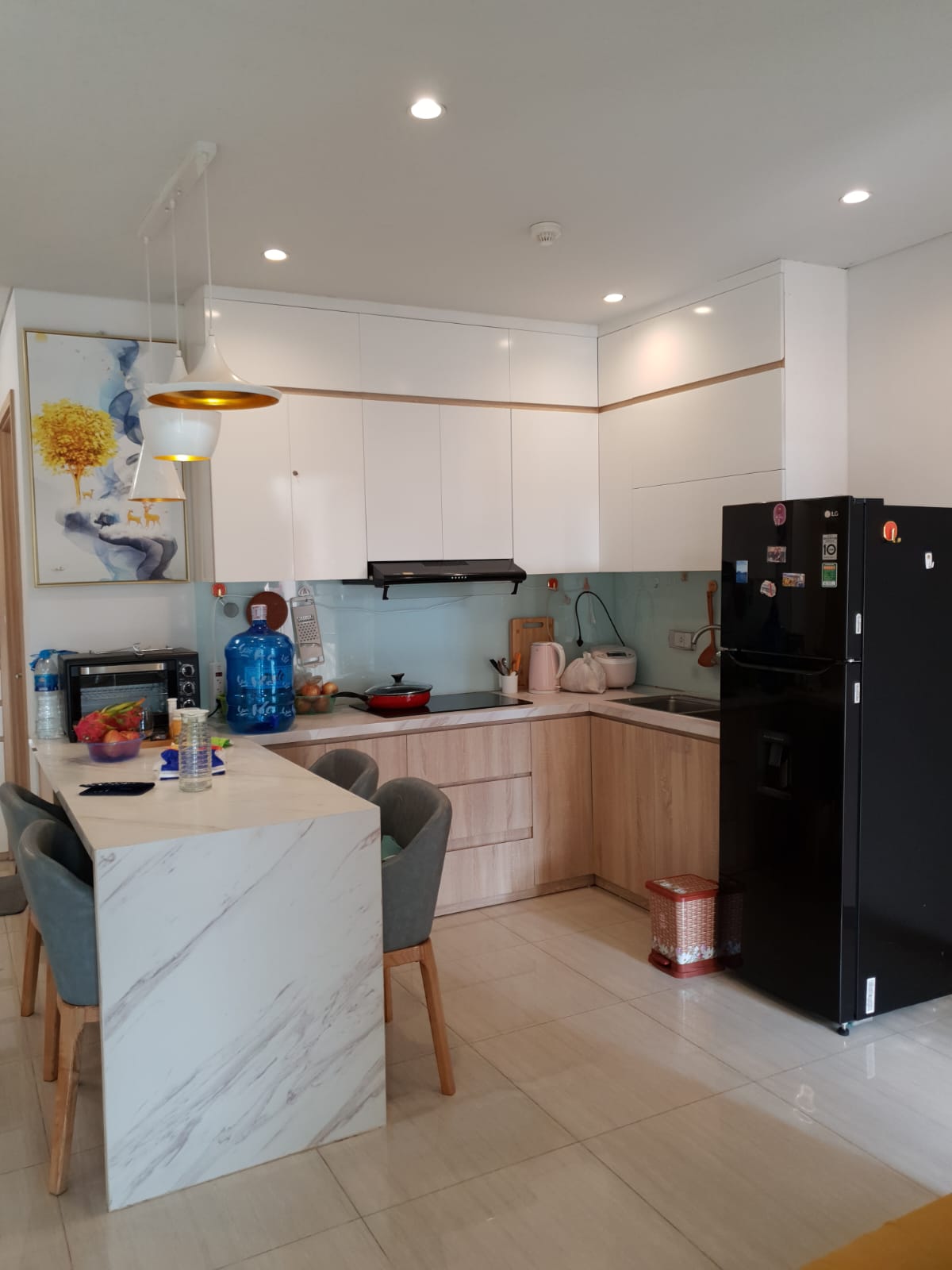
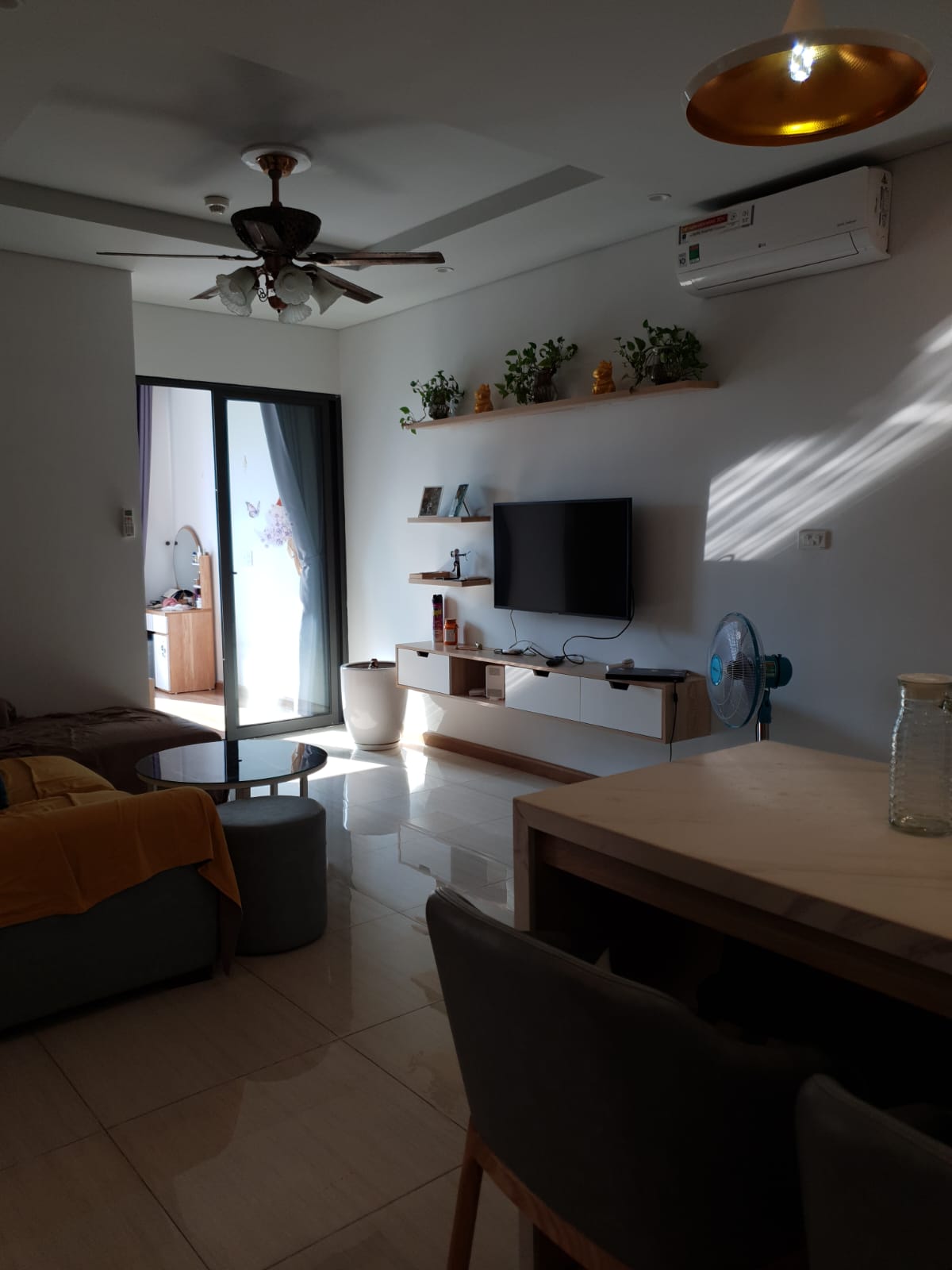
Real teacher apartments in Vietnam — modern, fully furnished, $200–$400/month.
Rent by City
Ho Chi Minh City (Saigon) is the most expensive city for rent, especially in Districts 1, 2 (Thu Duc City), and 7. A decent studio in the center will run you $350–$450. Hanoi is slightly cheaper — similar quality for $250–$400. Da Nang and Ha Long Bay are where you'll find the best deals: a modern 1-bedroom apartment with an ocean or bay view can be had for $200–$300 a month.
If you want a deep dive into how HCMC and Hanoi compare for teachers specifically, we wrote a .
Food
Food in Vietnam is absurdly cheap — and absurdly good. This is one of the biggest quality-of-life upgrades you'll experience. You're not sacrificing flavor to save money here. You're eating better than you ever did at home, for a fraction of the cost.
Food Prices
The street food game is where Vietnam truly shines. A bowl of pho from a sidewalk stall costs about $1.50 and will put most $15 ramen bowls back home to shame. Banh mi sandwiches — arguably the greatest sandwich on earth — go for about $1. Com tam (broken rice with grilled pork) is $1.50–$2 and it's a full, hearty meal.
If you cook at home, groceries are equally affordable. A kilogram of chicken breast is about $3, a bag of rice lasts weeks for under $2, and fresh vegetables from the local market are almost comically cheap. Most teachers do a mix: street food and local restaurants during the week, and cook at home when they feel like it.
Western food is the one area where prices jump. A burger at an expat restaurant might cost $8–$12, and imported cheese, wine, and specialty items will cost similar to what you'd pay at home. But these are treats, not daily expenses.
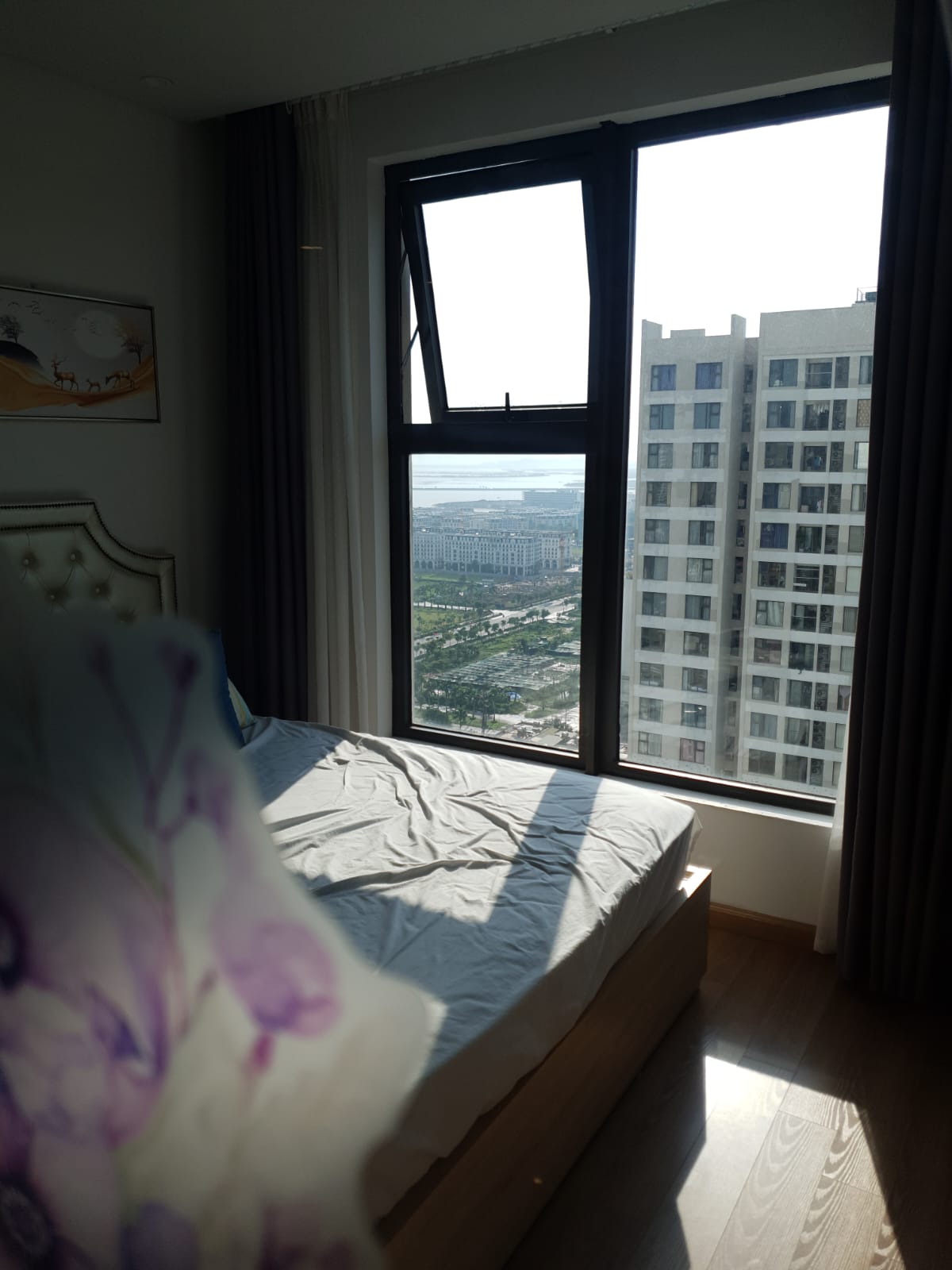
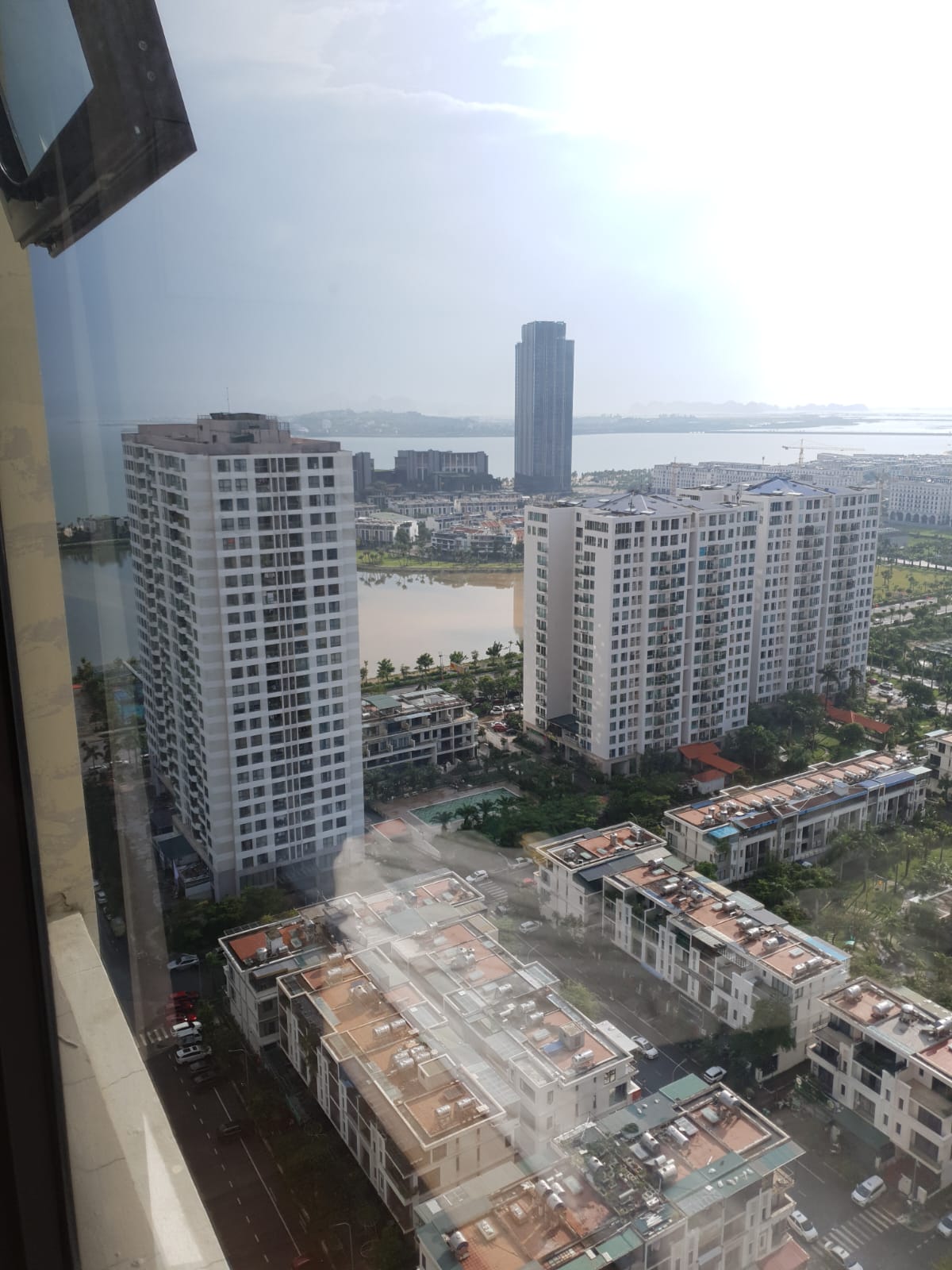
Views like this, for $200–$350/month. Not a filter. Not a hotel. This is where teachers actually live.
That's the kind of reality check Vietnam gives you every single day.
Transport
Here's one of the best things about living in Vietnam: you don't need a car. Nobody has a car. Well, some people do, but the vast majority of the country moves on two wheels. Motorbikes are king here, and it makes getting around both cheap and efficient.
Transport Costs
Most teachers either rent a motorbike or rely on Grab, which is Vietnam's version of Uber. A Grab moto ride across town costs $0.30 to $1 in most cities. Even if you take Grab everywhere and never touch a motorbike, you'd be hard-pressed to spend more than $60 a month on transportation.
If you do rent a motorbike, it costs $40–$60 per month for a reliable Honda or Yamaha. Gas is cheap — a full tank runs about $3–$4 and lasts you a week of daily commuting. Many teachers find that the freedom of having their own motorbike is one of the best parts of living in Vietnam. You can explore the city, ride to the beach after work, or take a weekend trip to the mountains without depending on anyone.
Compare this to wherever you're living now. If you're spending $100+ on a metro pass, $200+ on car payments and insurance, or $50+ per week on Ubers, Vietnam's transport costs will feel like a rounding error.
Utilities & Internet
Utilities in Vietnam are borderline negligible compared to Western countries — with one major caveat: air conditioning.
Monthly Utility Costs
Vietnam is hot. Like, seriously hot, especially in the south from April through October. If you blast the AC 24/7 — which, honestly, many teachers do — your electricity bill can jump to $40–$50. If you're more strategic about it (turning it off when you leave, using fan mode at night), you'll stay closer to $20–$25.
Internet in Vietnam is genuinely excellent. We're talking fiber-optic connections with speeds of 100–200 Mbps for $10–$15 a month. Many apartments include WiFi in the rent. If you work online, tutor remotely, or just stream a lot of Netflix, you'll have zero complaints about the connection quality.
The phone plan one always gets people. You can get a Vietnamese SIM card with unlimited data, calls, and texts for $3–$5 per month. That's not a typo. If you're currently paying $50–$80 a month for a phone plan, prepare to be annoyed at how much you've been overpaying.
Entertainment & Lifestyle
This is where the "cost of living" conversation stops being about survival and starts being about actually enjoying your life. Because what's the point of moving to a new country if you can't have fun?
Entertainment Costs
Coffee culture in Vietnam is world-class. Vietnamese coffee is strong, rich, and ridiculously cheap. You can sit in a beautiful cafe with AC, WiFi, and good vibes for an hour and your bill will be $1.50. Try doing that at a Starbucks back home.
Gyms are another pleasant surprise. For $20–$40 a month, you get access to modern equipment, group classes, sometimes even a pool and sauna. The premium chains like California Fitness or CitiGym in HCMC are closer to $40, but local gyms with perfectly good equipment can be had for $20.
The social scene is vibrant and cheap. A local beer (Bia Hoi, Saigon Beer, Tiger, 333) costs $0.50–$1 at a street-side bar. Craft beer is pricier at $3–$5, but that's still half what you'd pay in most Western cities. Going out with friends on a Friday night might cost you $10–$15 total, and that includes food.
Weekend trips are where Vietnam really punches above its weight. A round-trip bus or train ticket to another city might cost $10–$20. A decent hotel or Airbnb is $15–$30 per night. You can spend a weekend exploring Da Nang's beaches, cruising Ha Long Bay, or wandering the ancient streets of Hoi An for $50–$100 all-in. Many teachers make it a habit to explore a new city every month or two, because why wouldn't you when it's that affordable?
Monthly Budget Example
Let's put it all together. Here's what a realistic, comfortable monthly budget looks like for an English teacher living alone in Vietnam in 2026:
Comfortable Monthly Budget
That's $750 for a genuinely comfortable life in a tropical country. You have your own place, you eat well, you work out, you go out with friends, you take a weekend trip every month, and you're not budgeting down to the last dollar. There's breathing room baked into those numbers.
Want to see exactly how these numbers apply to your specific situation? We built a that lets you plug in your preferences and see your personalized monthly budget. It takes two minutes and it's surprisingly eye-opening.
How Much Can You Save?
This is where things get exciting. And honestly, this is the section that changes most people's minds about teaching in Vietnam.
A typical English teaching salary in Vietnam in 2026 is around $1,200–$1,800 per month, depending on the city, the school, your qualifications, and how many hours you work. Some teachers earn more with private tutoring on the side. Let's use a conservative $1,500 as our baseline.
Monthly Salary
$1,500
Monthly Expenses
$750
Monthly Savings
$750
= $9,000 saved per year
Read that again. Seven hundred and fifty dollars saved every single month while living comfortably in a tropical country, eating incredible food, traveling on weekends, and working 20–25 hours a week.
That's $9,000 per year put away. After two years, that's $18,000 in savings. For context, the average American saves about $5,000 per year while working 40+ hours a week, commuting an hour each way, and living in a place where a salad costs $16.
And here's the part that really stings: many of you reading this are currently saving $0 per month in your home country. You're working full-time, maybe overtime, and every dollar goes to rent, bills, student loans, and just... surviving. You're running on a treadmill that goes nowhere.
In Vietnam, you step off the treadmill. The math just works differently here.
Want to see what your personal savings would look like based on your target city and lifestyle? Run your numbers through our — it only takes a minute.
City Comparison
Vietnam is not one monolithic "cheap place." Costs vary significantly by city. Here's how the four most popular teaching destinations compare:
Ho Chi Minh City (Saigon)
The biggest, busiest, and most expensive city. Rent is the highest in the country, but so are salaries. The nightlife, food scene, and expat community are unmatched. If you want the full big-city energy, this is it. Expect to spend $800–$1,000/month for a comfortable lifestyle. Best for: teachers who want a vibrant social life and don't mind paying a bit more for it.
Hanoi
The capital. More traditional, more cultural, slightly cheaper than HCMC. The Old Quarter is iconic, the food is arguably even better than Saigon's, and the four seasons give you variety (including a genuine winter). Expect $650–$900/month. Best for: teachers who want culture, history, and cooler weather.
Da Nang
The beach city. Smaller, more relaxed, significantly cheaper. Da Nang has exploded in popularity in the last few years, and it's easy to see why: beautiful beaches, modern infrastructure, low cost of living, and a growing expat community. Expect $500–$750/month. Best for: teachers who want beach life without the big-city chaos.
Ha Long Bay
The hidden gem. A UNESCO World Heritage Site with jaw-dropping natural beauty, and the cheapest of the four cities. The teaching market here is smaller but growing, and the quality of life per dollar spent is arguably the best in the country. Expect $450–$650/month. Best for: teachers who want nature, peace, and maximum savings. Read how .
For a detailed head-to-head on the two biggest cities, read our .
Want to See Your Exact Numbers?
General averages are useful, but what matters is your budget. Your lifestyle, your target city, your priorities. That's why we built a cost-of-living calculator specifically for English teachers moving to Vietnam.
Plug in your preferences — city, lifestyle, whether you cook or eat out, whether you want a gym and a motorbike — and it'll spit out your personalized monthly budget in under two minutes. No signup required.
Cost Calculator
Plug in your city, lifestyle, and preferences. Get a personalized monthly budget breakdown instantly. See exactly what you'll spend — and what you'll save.
Free — No signup required
Get the System
Ready to make the move? "Not Native, Still Hired" is the step-by-step system that's helped 700+ non-native teachers land real, legal, well-paying teaching jobs in Vietnam.
Application templates, interview prep, visa guidance, school connections — everything you need in one place.
The numbers don't lie. Vietnam is one of the most affordable countries on earth for English teachers, and the gap between what you earn and what you spend is wide enough to actually build savings, travel, and live well — all at the same time.
If you're still on the fence, take the to see if teaching in Vietnam is a fit for your situation. Or read how other non-native teachers made the move in our .
The bottom line: you can live comfortably in Vietnam for $750 a month, save $750+ on top of that, and have an experience most people only dream about. The only question is whether you're going to keep dreaming about it or actually do the math and book the flight.
P.S. Every month you hesitate is another $750+ in savings you're leaving on the table. The cost of waiting isn't zero — it's $9,000 a year.