
Nobody warned Moe. He'd read every expat blog, watched twelve YouTube vlogs, saved a folder of Reddit threads. He landed in Ho Chi Minh City on a Tuesday in July, stepped out of Tan Son Nhat airport into 36-degree heat and 90% humidity, hailed a Grab, and sat in traffic for 47 minutes to travel 8 kilometres. By Thursday, his apartment had a leak. By Friday, the school had rescheduled his first class to a different building — five minutes before it was supposed to start. He called his friend back home and said, half-laughing, half-genuinely-confused: "Is it always like this?" The answer is yes. Always like this. And once you accept that, everything gets easier.
Vietnam is one of the best places in the world to build a teaching career from scratch. The money is real, the lifestyle is real, the demand for foreign teachers is real. But it runs on a completely different operating system than the one you grew up on. Western efficiency — schedules that hold, repairs that happen on the promised day, institutions that communicate in advance — that's not how this place works. And the teachers who struggle aren't the ones who can't handle hard things. They're the ones who keep expecting something different. So let's deal with it head-on before you board the plane.
Chaos Is the Default. Stop Fighting It.
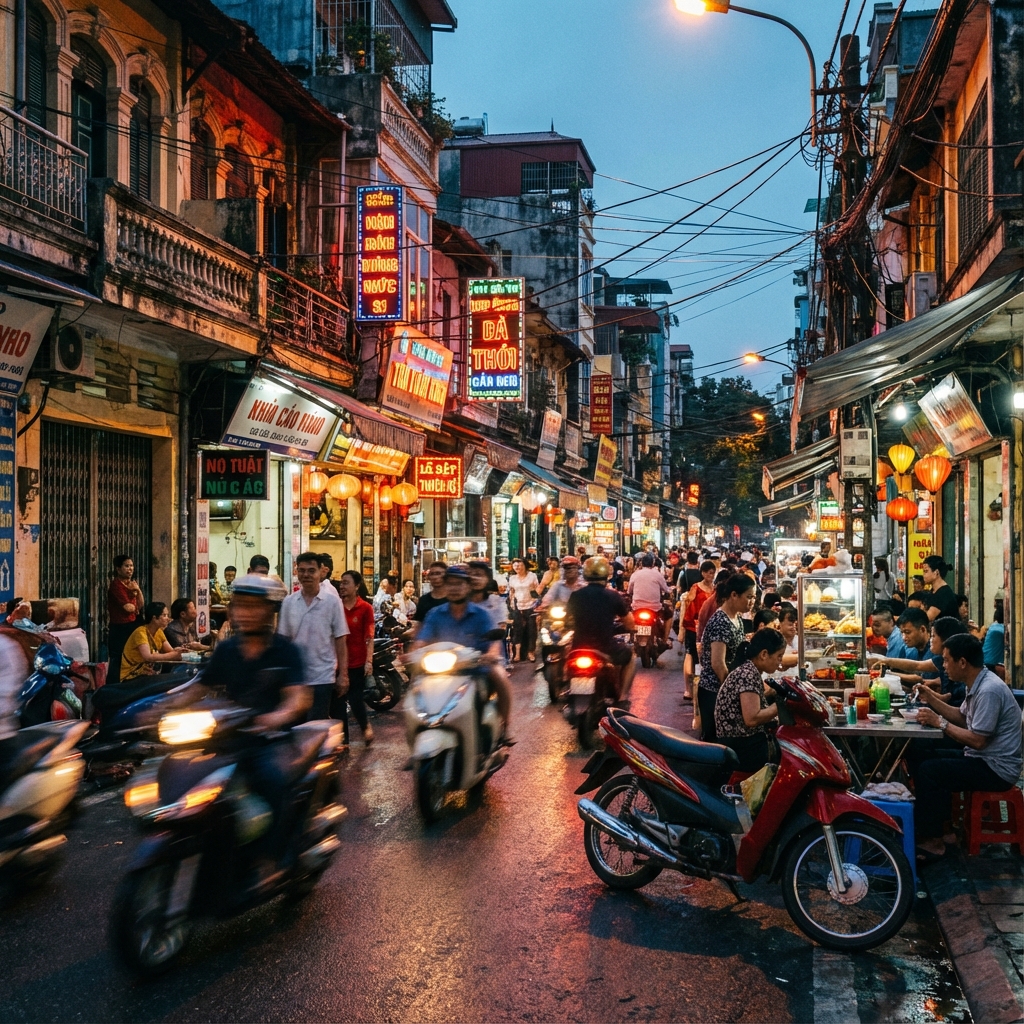
Vietnamese people are genuinely comfortable with what outsiders call chaos. Plans change last minute and nobody panics. A motorbike repair shop that also sells pho is a completely normal business model. The ATM near your apartment is broken but the guy standing next to it will exchange money from a wad of cash in his jacket — and the rate will be fine. These aren't signs of disorder. They're a different kind of order, one built on improvisation and community trust instead of systems and schedules.
Paula arrived in Hanoi having worked for six years in corporate project management in Berlin. She was, by her own description, a spreadsheet person. She had a colour-coded system for her first month. Within three weeks it was in the bin. "I had to physically stop myself from catastrophising every time something changed," she told us. "The leak in my bathroom took eleven days to fix. In Germany I would've been furious. Here I just kept towels on the floor and got on with it. And it got fixed. Eventually." That "eventually" carries a lot of weight. Things get resolved. Just not on your timeline.
Once I stopped treating every last-minute change like a personal attack, my whole experience shifted. The school moves my class to a different room with five minutes' notice? Cool, I walk faster. That's it.
The practical version of this: build buffer time into everything. Your commute, your class prep, your lunch. Don't schedule back-to-back commitments for the first two months. Say yes to last-minute invitations because that's often how the best things happen. Keep your bag packed with what you'd need if the day went sideways. And get a Vietnamese SIM card on Day 1 — not Day 3, not when you "get settled." Day 1. It's the single most useful thing you can do.
The City Will Disorient You. That's Good.
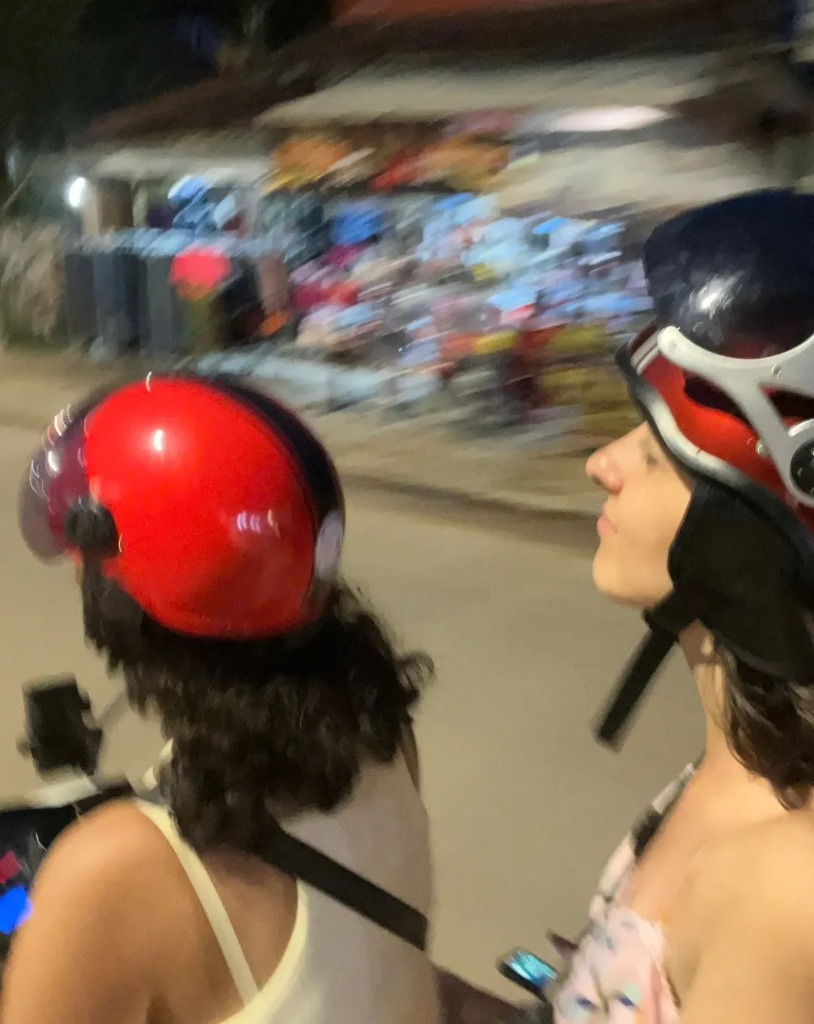
Ho Chi Minh City has 9 million people and roughly the traffic to prove it. Hanoi is smaller but denser, and the Old Quarter will make you feel like you've wandered into a city that grew up without a grid. Both are genuinely overwhelming for the first few weeks. Crossing the road on foot still scares people who've lived there for three years — the trick, which takes about a week to internalise, is that you walk slowly and steadily and the bikes flow around you. Stop suddenly and you create a problem. Keep moving and you don't. It's a metaphor, honestly.
Ahmed moved to HCMC from Cairo and thought the traffic would feel familiar. "Cairo traffic is chaos," he said. "HCMC traffic is choreography. Once I understood that, I loved it." He got a motorbike after six weeks — which is when most teachers make the jump — and said it changed his entire relationship with the city. You stop being a passenger and start being a participant. The city opens up in a different way when you're on a 110cc Honda Wave and can park anywhere.
Don't rent a motorbike in month one. Walk, use Grab, take the bus sometimes even if it's confusing. Get your bearings. Learn which streets go where, which market opens when, which banh mi stall is yours. Then get the bike. In that order.
Money Works Differently Here. In a Good Way.
You'll be paid in Vietnamese dong. Your first paycheck will have a number on it that looks like a real estate listing — 28,000,000 VND sounds like a lot until you convert it and realise it's around $1,100 USD. Then it sounds like too little. Then you spend a week actually living in Vietnam and realise $1,100 USD goes further here than $3,000 does back home. That's the adjustment period. It takes most teachers about three weeks to genuinely internalise the new prices and stop doing mental conversions every time they buy something.
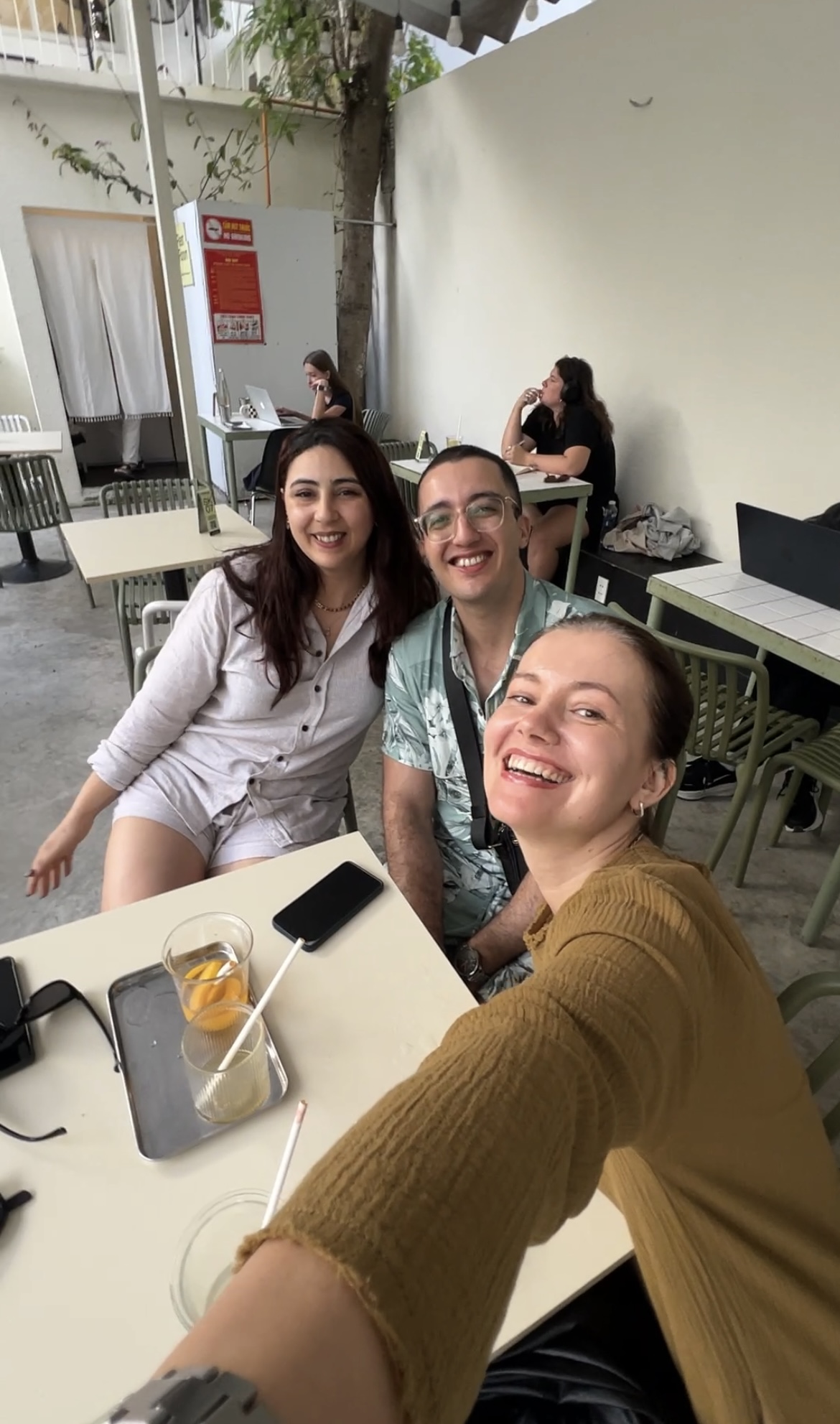
Camila came from São Paulo and had a specific moment she remembers clearly. "I was sitting at a plastic table on the street eating pho and a really cold 333 beer and I added it up — 65,000 dong total, which is $2.60 — and I just started laughing. I'd been stressed about money for years. Here, I wasn't stressed anymore." That's the shift. It's not that Vietnam makes you rich. It's that the cost structure means the anxiety that follows most people through their twenties just... goes quieter.
Saad teaches in Hanoi and sends money home every month — which was the whole point of coming. He's saving around $600 USD per month after all living expenses on a salary that most people in his home country would consider modest. "The math works here in a way it doesn't work anywhere else I looked," he said. "I tried Korea, I looked at Japan. Vietnam is where the numbers actually made sense." He's been there 26 months.
The Teaching Culture Is Not What You're Used To
Vietnamese classrooms have their own logic. Students are often quieter than you'd expect — not disengaged, just trained by years of rote-learning to listen and repeat rather than discuss and debate. When you first ask a class an open question and get total silence, your instinct will be that you've done something wrong. You haven't. They're waiting to understand what's actually expected of them. Give it time. Ask smaller, more specific questions. Build up. By month two you'll have students who won't stop talking.
Respect for teachers runs deep in Vietnamese culture. This is genuinely nice. Students are rarely disruptive, parents are rarely hostile, and your colleagues will go out of their way to make you feel welcome. In return, the school will expect punctuality, a degree of formality, and that you don't openly criticise decisions in front of students or parents. Feedback goes through channels. It's a different system, but it works.
Also: learn five words of Vietnamese. Just five. Hello (xin chào), thank you (cảm ơn), delicious (ngon), sorry (xin lỗi), and — this one matters — how much (bao nhiêu). You will get smiles, discounts, and goodwill out of proportion to the actual effort involved. It signals that you see people. That goes a long way.
The Visa Situation Needs Your Full Attention
This is the part of the guide where the tone changes slightly. Visas in Vietnam require active management. The rules shift, the enforcement shifts, and what worked for the teacher before you may not work for you. The three-month e-visa is the standard entry point and it's fine for getting started — but if you're planning to stay and teach legally, you'll need a work permit, a business visa, and ultimately a temporary residence card. That process takes time and requires employer support.
The visa run — leaving the country briefly to reset your visa — is less common than it used to be and less reliable. Cambodia, Laos, Thailand: people still do it. But schools that actually support their teachers properly will handle the work permit paperwork rather than expecting you to manage border hops every 90 days. When you're evaluating schools, ask directly: do you sponsor work permits? The answer tells you a lot about how they operate.
Saad's visa run story is instructive. He crossed into Cambodia, stayed overnight in Bavet, and came back the next morning. The border officer asked him 11 questions about his employment. He answered all of them calmly. He got back in. But he said afterwards: "I don't want to do that again. I want a work permit." He got one six weeks later when he switched to a better school. That's the move.
Frequently Asked Questions
Do I need to speak Vietnamese to teach in Vietnam?+
No. The job is literally teaching English, so classes are conducted in English. You'll want a handful of basic phrases for daily life — ordering food, saying thank you, asking prices — but you don't need fluency to work or live comfortably.
Is Vietnam safe for foreign teachers?+
Yes, by most measures. Violent crime against foreigners is rare. The main risks are motorbike accidents (wear a helmet, ride carefully, don't drink and ride) and petty theft in crowded areas. Use common sense and you'll be fine.
How long does it take to feel settled in Vietnam?+
Most teachers hit a wall around weeks three to five — the novelty has worn off, the chaos is still present, and home feels very far away. Push through that. By month two, the majority of teachers report feeling genuinely comfortable. By month three, most can't imagine leaving.
Can I save money while teaching in Vietnam?+
Yes, consistently. Teachers earning $1,200–$1,800 USD per month typically save $400–$800 per month while maintaining a comfortable lifestyle. The cost of living does the work.
What's the difference between teaching in the north versus the south?+
HCMC (south) is hotter, faster, more international, more chaotic in an energetic way. Hanoi (north) is cooler, a bit more conservative culturally, and has a distinct character that many teachers prefer for longer stays. Both have strong job markets.
How hard is it to find an apartment?+
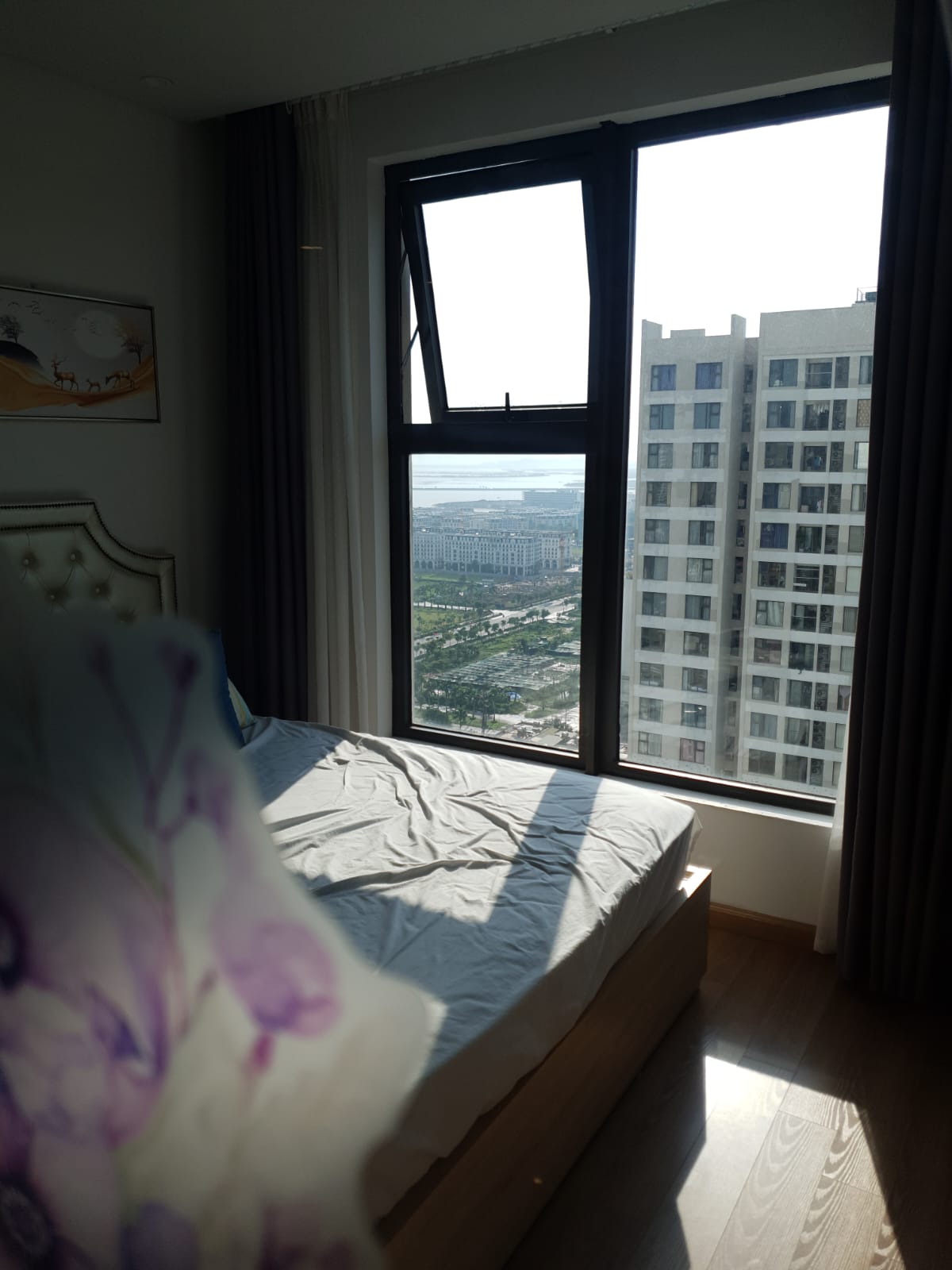
Not hard at all. Furnished apartments in teacher-heavy areas rent for $280–$500 USD per month. Facebook groups are the fastest way to find listings. Book a guesthouse for your first two weeks so you're not locked into a bad apartment from a photo.
What the Teachers Who Last Have in Common
After talking to dozens of teachers who've spent two, three, four years in Vietnam, a pattern emerges. It's not the most qualified teachers who stay longest. It's the ones who find something — a neighbourhood, a food stall, a group of friends, a rhythm — and let that thing become theirs. Vietnam rewards specificity. The teacher who goes to the same bún bò Huế place every Thursday morning and knows the owner's daughter's name is going to last longer than the one who Googles "best restaurants in HCMC" every week.
Vyara has been in Da Nang for two years. She came for six months. "I can't explain it exactly," she said. "It's not perfect here. The humidity in summer is genuinely horrible. My school has disorganised management. But I have my beach, I have my coffee shop, I have my Tuesday evening with my Vietnamese friends. And that's enough. That's more than enough." Da Nang isn't even the most popular city for teachers. It doesn't matter. She found her version of it.
The chaos becomes the point. Once you stop needing things to be orderly and start finding the texture of the disorder interesting — who's selling what from a cart today, why is there a wedding in this alley, how did that restaurant appear in a space that was empty yesterday — Vietnam becomes genuinely addictive. Not perfect. Not easy. But alive in a way that's hard to find elsewhere.
Ready to Find Out If This Life Fits You?
The quiz takes four minutes and tells you which city, which school type, and what salary range to target based on your actual background — not a generic checklist.
No email required to start. Takes 2 minutes.