
China vs Vietnam: Which Country Should You Actually Teach In?
(The no-BS comparison from an agency that's placed 400+ teachers in China and 300+ in Vietnam)
Higher pay doesn't always mean the better choice. Here's every fact, requirement, and hidden trade-off — from people who've sent teachers to both countries and watched what actually happens.
Let's get the uncomfortable truth out of the way first.
Most people who contact us want China.
The salary is higher. The housing is free. The numbers look better on paper. And when you're earning $400 a month in Tunisia or $380 in Colombia, the idea of $1,700+ plus a free apartment sounds like the answer to everything.
We get it. We've heard it a thousand times.
But here's what we also know — because we've placed over 400 teachers in China and over 300 in Vietnam since 2017 — most people who dream of China don't actually qualify for it. And many who do qualify discover that Vietnam would have made them happier.
This isn't a sales pitch for either country. This is the comparison we wish someone had given us when we started this agency. Every fact. Every trade-off. Every detail that recruiters don't tell you because they want your money first and your satisfaction second.
We tell you the truth. Not what you want to hear.
The Money: China Pays More, But It's Not That Simple
Let's start where everyone starts — the paycheck.
China: $1,700+ USD per month. Housing is always included, meaning your employer provides a free apartment. You'll work around 25 teaching hours per week, but it's a full-time position with office hours, which means your actual time at the school is more than just the classroom hours.
Vietnam: $1,200+ USD per month. You'll get a housing allowance — help finding and subsidizing your rental — but it's not free like China. You'll work around 100 hours per month on a part-time, flexible basis. You choose where you live.
So China wins on raw salary, right? Not so fast.
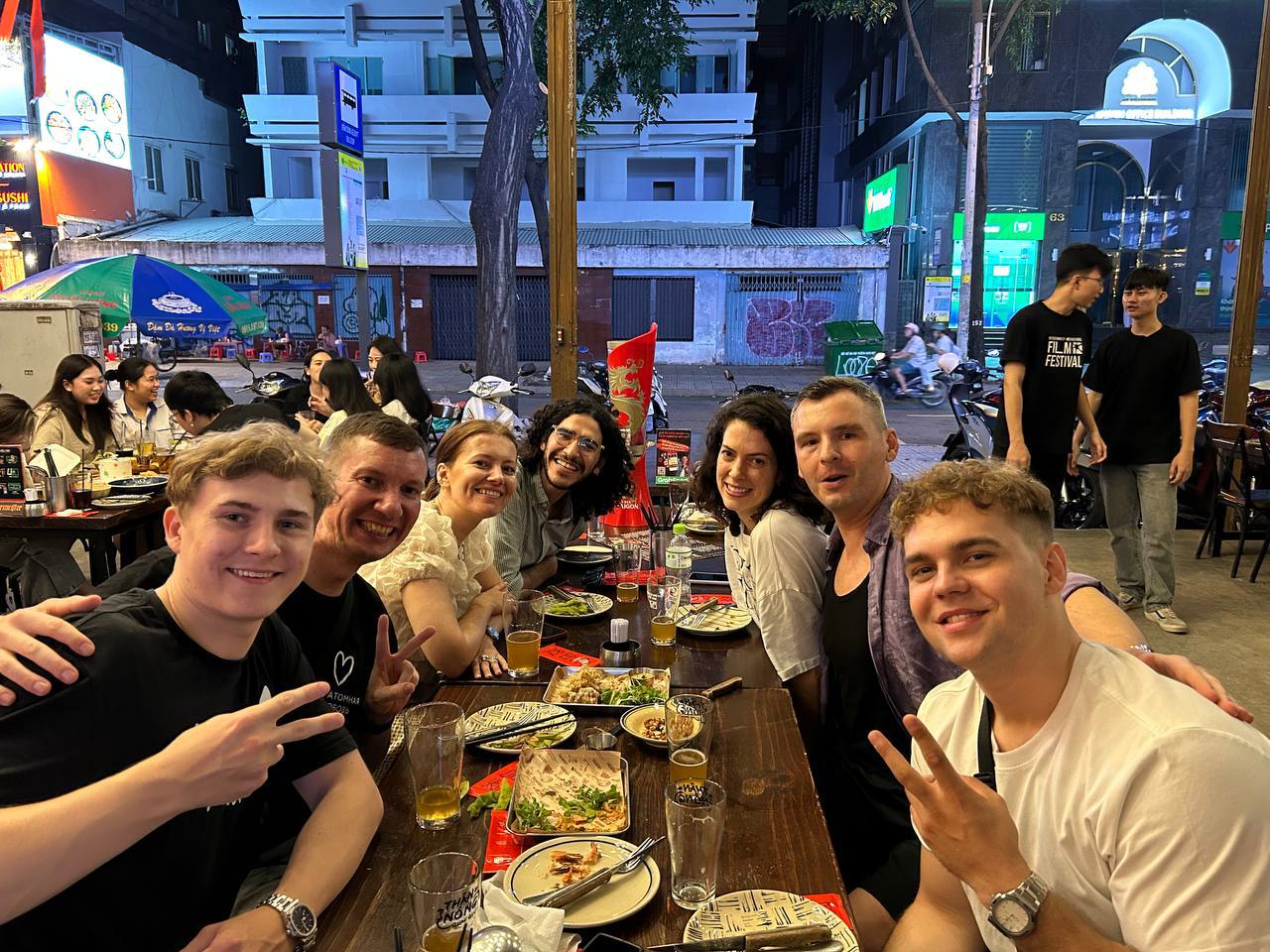
Vietnam's cost of living is roughly half of China's. A full meal in Ho Chi Minh City costs $2–3. Rent in a nice neighborhood runs $250–400 a month. A coffee at a good cafe: $1.50. A Grab across the city: pocket change. Budget flights across the country start at $19.
And here's the detail most people miss: Vietnam's part-time structure means you can take on extra work. Most of our teachers pick up additional classes and pull in $1,800–$2,000 a month without burning out. Some hit $2,100+.
So the real comparison isn't $1,700 vs $1,200. It's $1,700 with higher expenses in a full-time structure vs $1,800–2,000 with rock-bottom costs and way more free time.
The math gets a lot closer than you'd think.


The Requirements: This Is Where It Gets Real
This is the section that matters most — and the one most agencies skip or blur.
What China Actually Requires (Post-COVID)
China's requirements for non-native English teachers are extremely strict. To work legally, you need all of the following:
A bachelor's degree — and they strongly prefer one in linguistics or education. Having a degree in business or engineering doesn't carry the same weight. Two or more years of confirmed, verifiable teaching experience. Not "I tutored my cousin." Real, documented experience with references.
A near-native accent. This is the one nobody talks about honestly. China cares enormously about how you sound. If you have a heavy accent — even if your grammar is perfect — you will struggle to get placed, especially as a non-native speaker.
A TEFL certificate. A criminal background check. And you need to target specific provinces, because only certain regions in China allow non-native teachers to work legally at all.
The document process alone takes one to three months. It involves authentication, legalization, and a level of bureaucracy that can feel like a full-time job before you've even started your actual job.
What Vietnam Requires
Any bachelor's degree. Any field. Engineering, marketing, literature, hospitality — it doesn't matter.
A TEFL certificate.
That's essentially it. The process takes about four weeks from start to finish.
The Honesty Test
Here's the question we ask everyone who contacts us:
Do you have a bachelor's degree — preferably in linguistics — plus two or more years of documented teaching experience? If no, China is not legally possible for you right now. Full stop. Any agency that tells you otherwise is either lying or setting you up to work illegally. And working illegally in China is not something you want to gamble with.
Do you want to avoid misrepresenting your nationality? Some agencies in China encourage non-native teachers to pretend they're from English-speaking countries. We don't do that. Vietnam doesn't require it — schools there hire non-native teachers openly and honestly.
Do you want lower living costs? Vietnam costs at least half of what China does, across almost every category.
Life on the Ground: Two Very Different Experiences
The salary and requirements are one thing. But what does daily life actually feel like? Because you're not just picking a job — you're picking a life for the next one to two years.
China: The "Celebrity" Experience
China is a fascinating country. The cities are futuristic — genuinely like something from a science fiction movie. The infrastructure is incredible. If you're interested in business, manufacturing, or networking, there's nowhere else like it.
But for non-native teachers — especially those from Africa, the Middle East, Latin America, or Eastern Europe — the social experience can be intense.
People will notice you. Constantly. In smaller cities, locals may want photos with you, point, shout "hello" from across the street. You become a minor celebrity whether you want to be or not. For some people, that's exciting. For others, it gets exhausting by week three.
China is also a more closed society in practical terms. Every major social media platform — Instagram, WhatsApp, YouTube, Facebook, Google — is blocked. You'll need a VPN for everything, and VPNs don't always work reliably. If staying connected to friends and family matters to you, this is a real daily friction.
Vietnam: The "Normal Expat" Experience
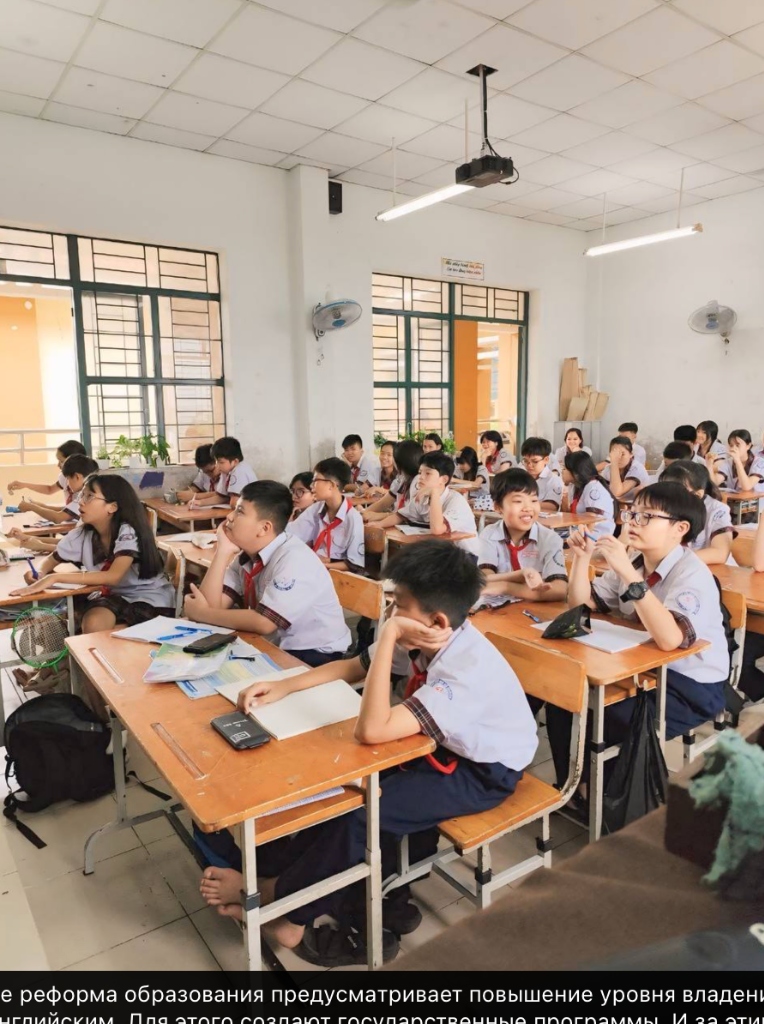
Vietnam is different. Ho Chi Minh City has 10 million people and a massive international community. Foreigners are everywhere. Nobody stares. Nobody asks for photos. You're just another person on the street.
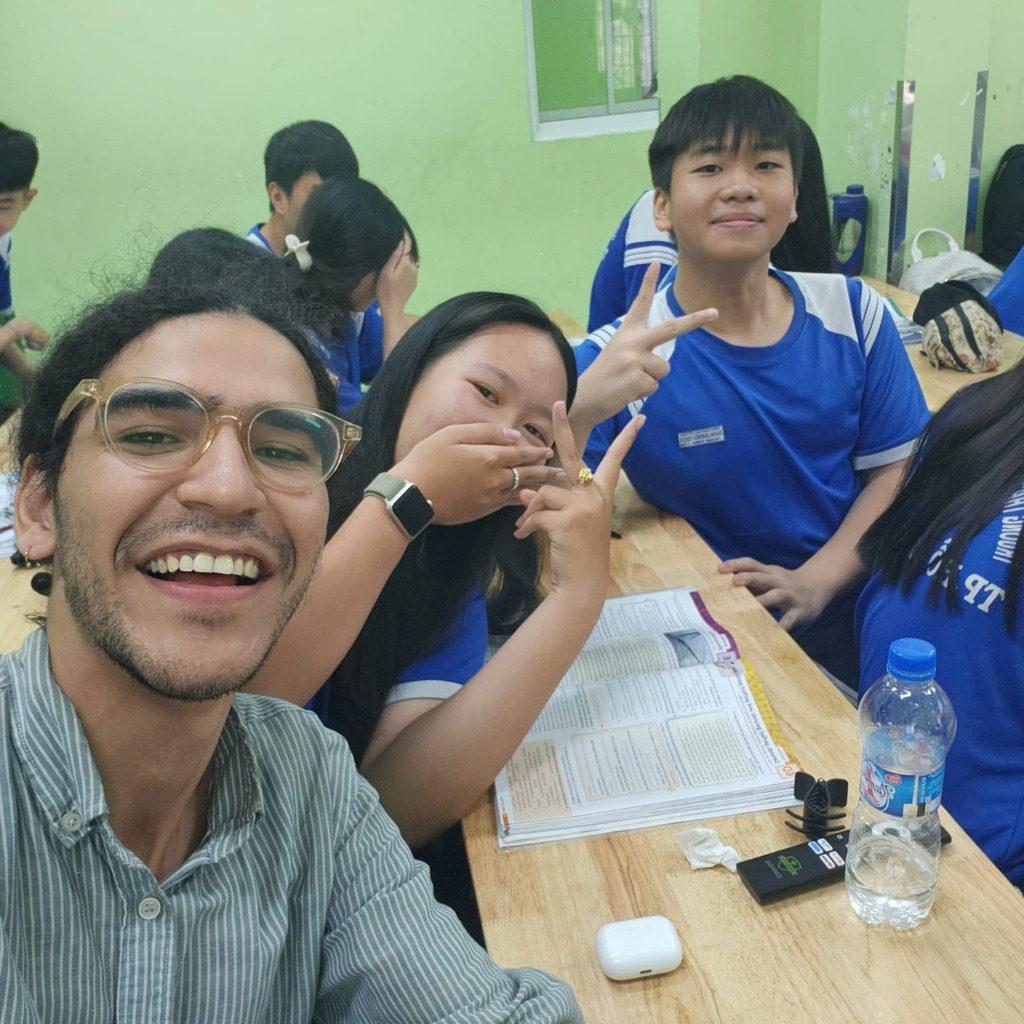
One of our teachers, Mohamed from Tunisia, put it perfectly:
All websites work freely. No VPN needed. WhatsApp, Instagram, YouTube, Netflix — everything just works. You FaceTime your family on Sunday without thinking about it.



The food is incredible and easy to adapt to — pho, com tam, banh mi, fresh spring rolls — and most of our teachers say they eat better in Vietnam than they ever did at home, for a fraction of the cost.
Vietnam is not perfect. It's hot. The traffic is chaotic. Communication with employers can sometimes be indirect. But it's a place where you can live a normal, comfortable, independent life from day one — without feeling like a foreigner every single minute of every single day.
The TEFL Certificate: Don't Let This Stop You
Both countries require a TEFL certificate — 120 hours minimum. If you don't have one, that's fine. It's the easiest box to check off on your entire list.
Here's what you need to know: you can complete it 100% online. The vast majority of schools in both Vietnam and China accept online TEFL certificates, as long as they meet the 120-hour minimum and come from an accredited provider. No, you don't need CELTA. No, you don't need to spend $2,000 on an in-person program. A standard 120-hour online TEFL from a reputable provider does the exact same job at a fraction of the cost.
You can get a perfectly valid TEFL for as little as $39. There are also mid-range options in the $150–$300 range from providers like i-to-i TEFL, TEFL.org, and The TEFL Academy. And if you don't want to deal with it at all, we have an option where we handle the whole TEFL process for you for $180 — you just show up and get your certificate.
Once you have your TEFL, you'll need to get it legalized — this is just a standard identification step, not the full apostille process you need for your degree. You can order it directly from the website where you completed your TEFL, or sort it out through local agents once you're already in Vietnam. Either way, it's straightforward.
We've written a full guide on choosing and getting your TEFL sorted — check out our for the complete breakdown including recommended providers and pricing.
Don't let the TEFL delay your decision by six months. It's something you can finish while your other documents are being prepared.
So Who Should Choose What?
After placing 700+ teachers across both countries, we've seen clear patterns. Here's the honest breakdown.
China is right for you if:
You have the preferred linguistics degree AND two or more years of real teaching experience. Your accent is near-native — this is crucial, not optional. You want the maximum possible salary and don't mind a full-time office structure. You love the idea of living in a futuristic megacity. You're interested in business networking and manufacturing opportunities. You're comfortable with constant public attention and relying on a VPN for basic internet access. And you can wait one to three months for a complex visa process before you even leave home.
Vietnam is right for you if:
You have any bachelor's degree in any field. You want a faster start — four weeks, not three months. You prefer blending in rather than standing out. You want unrestricted internet access. You love good food and want your money to go twice as far. You value part-time flexibility and the freedom to structure your own schedule. And you don't want to lie about who you are or where you're from to get hired.
The Honest Summary
China: Higher pay, free housing, but extremely strict requirements and a more complex lifestyle.
Vietnam: Good pay, rock-bottom costs, simple requirements, and a comfortable expat life that lets you focus on actually living — not just surviving.
The Smart Pathway: Use Vietnam to Get to China
Here's a strategy that our more ambitious students use — and it works.
If you don't qualify for China right now, don't sit at home for two years trying to build a resume. Go to Vietnam instead.
Teach for one to two years. Build real, documented classroom experience. Improve your accent through daily practice. Save money while you do it — not spending money waiting.
Then apply to China with a resume that actually meets their requirements. You'll qualify for higher-tier positions. You'll negotiate better. And you'll already know what it's like to live and teach in Asia, which makes the transition to China dramatically easier.
You earn money while building qualifications instead of waiting and hoping.
The Programs: How to Actually Make This Happen
Vietnam — Three Options Depending on How Much Help You Want
You'll earn a minimum of $1,200 per month. Most of our teachers pick up additional part-time work and easily reach $1,800–$2,000 monthly. Even at the floor, that's $14,400 over a one-year contract. At $1,800 a month — which is typical — you're looking at $21,600 annually.
Tier 1 — DIY Course
$199
The "Not Native, Still Hired" video course. Eight modules, 40 videos, 15 templates and checklists. Everything from building your CV and filming your teaching demo to navigating the visa process and surviving your first month. You do the work — we give you the exact blueprint. Perfect if you're resourceful and just need the roadmap.
Tier 2 — Review
$349
Everything in the DIY course, plus we personally review your application materials. We give you feedback on your CV, your intro video, your teaching demo — and tell you exactly what to fix before you apply. You still do the legwork, but you're not guessing whether your materials are good enough.
Tier 3 — Done With You
$750
Full hands-on support from start to finish. Pronunciation coaching to help you sound confident and clear. We reshoot your introduction video with you until it's perfect. Unlimited interviews — we don't stop until you find a school and location you genuinely love. Complete contract review to protect you from scams and unfair terms. Full visa document guidance. And six months of post-arrival support after you land. This is the option where we walk beside you the entire way.
China — Done With You Only: $750
China's process is more complex, more competitive, and has zero room for error. That's why we only offer the full Done With You package for China placements — no DIY, no halfway.
You'll earn a minimum of $1,700 per month with completely free housing included. That's $20,400 in salary alone. Add the housing value — most apartments we secure would cost $400–600 a month to rent — and your total package is worth $25,200 to $27,600 annually.
Your investment: $750.
What you get: Everything from the Vietnam Tier 3 program, upgraded for China's specific requirements. Advanced interview preparation for China's more competitive market. Professional video optimization to meet China's higher standards. Selective school matching — we only present opportunities at verified schools in provinces where non-native teachers can work legally. Enhanced contract negotiation for salary, housing quality, and benefits. Complex visa navigation including document authentication. And six months of premium post-arrival support.


The Bottom Line
Vietnam: Invest $199–$750 depending on how much support you want. Earn $14,400–$21,600+ annually. Even at Tier 3, the program pays for itself in your first two weeks of work.
China: Invest $750. Earn $20,400+ salary plus $4,800–$7,200 in free housing. Total package value over $25,000 per year.
Both programs pay for themselves in your first month abroad.
Both paths lead somewhere better than where you are now. The only wrong choice is staying stuck and waiting for the "perfect time" that never comes.
Not sure which country fits you?
Take the Free China vs Vietnam Quiz
Five questions. Two minutes. We'll tell you honestly which country you actually qualify for, what salary to expect, and what your next step should be — based on your degree, experience, accent, and goals.
400+ China placements. 300+ Vietnam placements. We've seen every profile. We'll give you the truth.
Real talk about teaching abroad — no false promises.