
5 Things Nobody Tells You About Teaching in Vietnamese Schools
What to expect before you arrive — so you can hit the ground running.
You've done your research — TEFL requirements, salary ranges, cost of living. But there's a whole layer of day-to-day reality that most guides skip over completely.
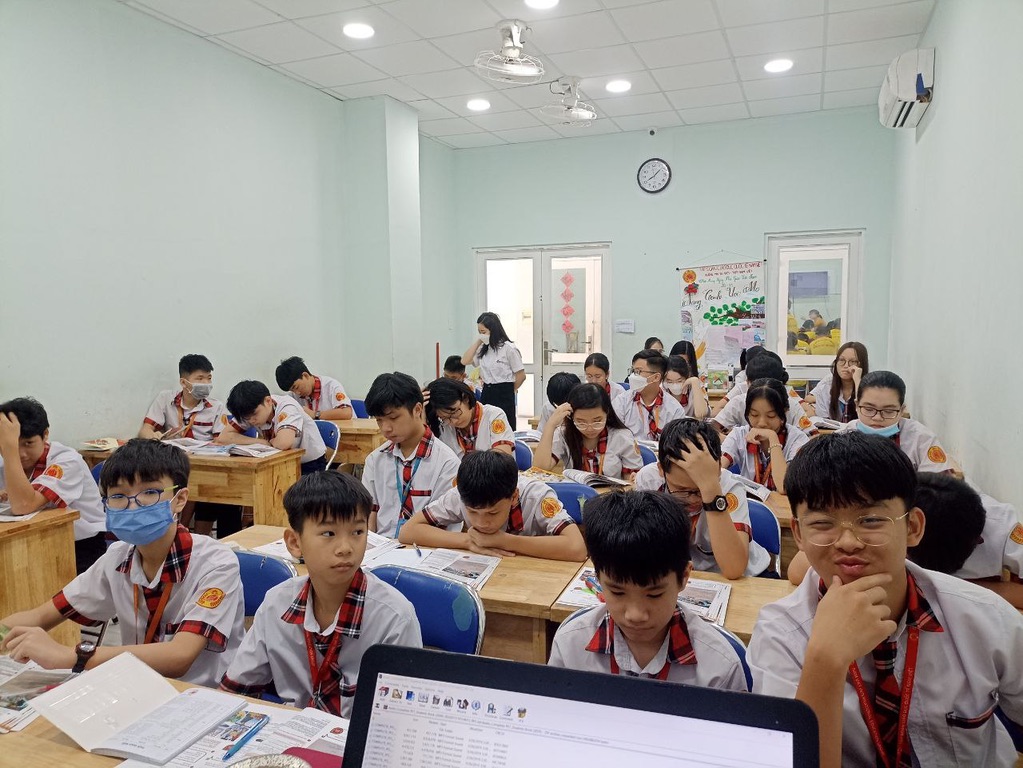
A real Vietnamese state school classroom. That's what 40+ students looks like.
So you've decided to take the leap — you're going to teach English in Vietnam. The good news? None of what follows is a dealbreaker. In fact, knowing what to expect ahead of time makes all the difference. Here are five genuine surprises that catch most foreign teachers off guard when they first arrive in Vietnamese schools — and how to prepare for each one.
Classes Start at 7 AM — Yes, Really
In Vietnam, the school day begins early. Very early. Most state schools and private schools kick off at 7:00 AM, which means you'll need to be awake, dressed, and ready to teach well before most people in your home country have had their first coffee.
This is one of those things that sounds manageable in theory but can genuinely shock your system in the first few weeks — especially if you're used to a 9 AM start back home.
The upside? If mornings are really not your thing, language centers are a great alternative. They typically run their main lessons from around 5 PM to 9 PM, giving you a very different schedule to work with. At UP2U Agency, we help you figure out which type of school matches your lifestyle before you ever board a plane. There's no one-size-fits-all — and the right placement makes a huge difference in your experience.
You Get a 2-Hour Lunch Break (This Is a Feature, Not a Bug)
Here's something that surprises most people in a very good way: the early start comes with a long midday break. Vietnamese schools build in 2 to 2.5 hours for lunch and rest — a tradition that reflects the country's climate and culture.
This siesta-style break is built into the official school schedule, and it's taken seriously. Many teachers use this time to go home, eat a proper lunch, rest, and come back refreshed for afternoon classes.
For teachers coming from countries where lunch is 30 minutes eaten at your desk, this takes some getting used to. But most people quickly come to love it.
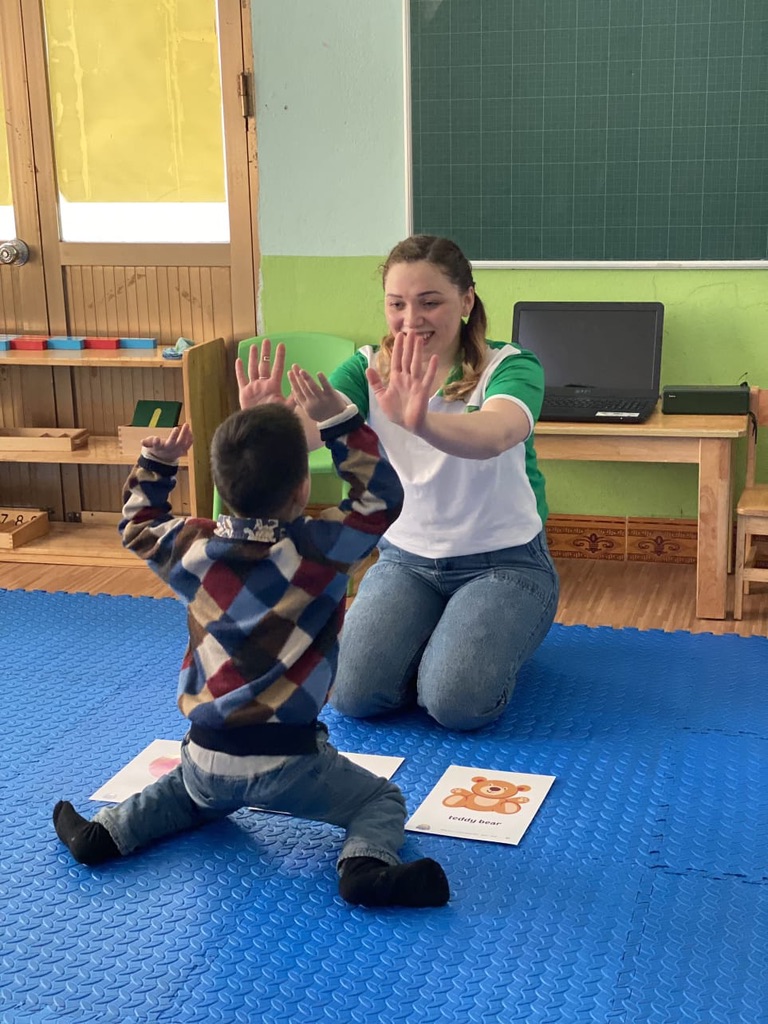
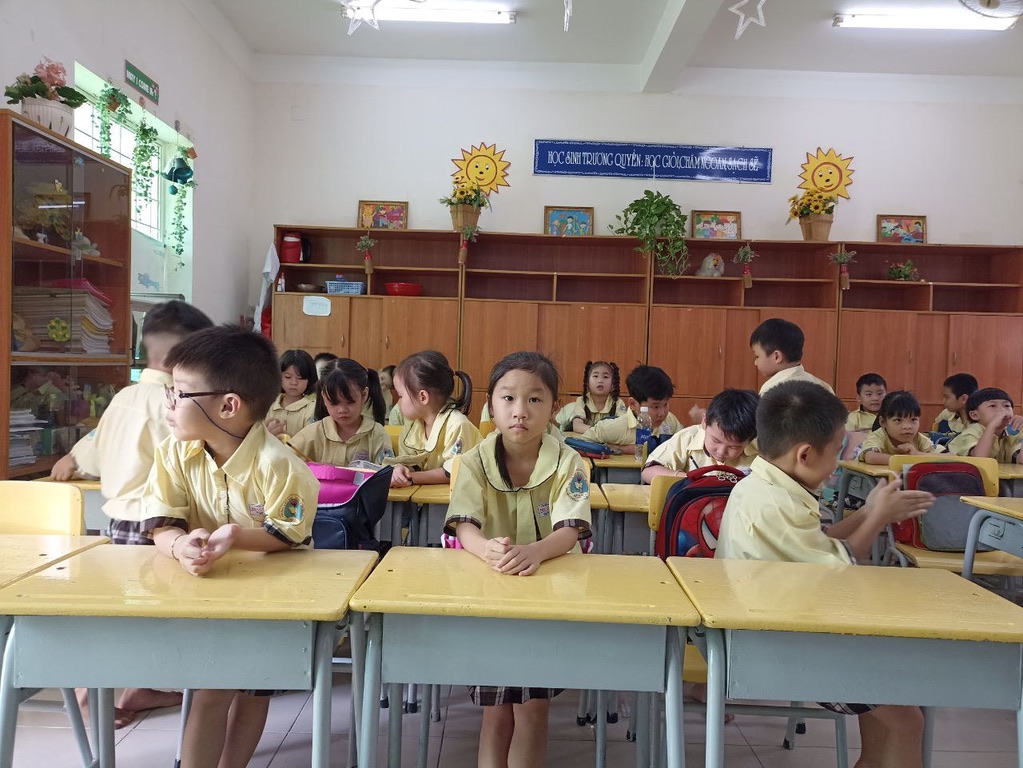
From kindergarten to primary — every age group has its own energy and rewards.
Vietnamese Student Names Are Hard to Pronounce — Give Them English Names
Vietnamese is a tonal language, which means many names are very difficult for non-native speakers to pronounce correctly. Mispronouncing a student's name — especially in a tonal language where slight differences completely change meaning — can cause unintentional confusion or even offense.
The practical solution that most experienced teachers use: give your students English names at the start of the school year. This is a widely accepted practice in Vietnamese English classrooms, and most students enjoy choosing (or being given) an English name.
This is also a great first-day activity that gets the class engaged, helps you learn names quickly, and sets a fun, energetic tone for the rest of the year. Managing a classroom well — including names, discipline, and keeping energy levels high — is a skill that comes with time and the right support.
Every Class Has a Vietnamese Teaching Assistant — and Not All of Them Are Helpful
In most Vietnamese schools, you won't be teaching alone. Each class comes with a Vietnamese teaching assistant (TA) whose job is to help with discipline, translate vocabulary for younger students, and manage classroom resources. In reality, TAs come in three very different types:
The helpful kind
They assist when needed, support your teaching, and stay out of the way the rest of the time. These are the gold standard.
The disengaged kind
They sit quietly on their phone the entire lesson and offer no help whatsoever. Frustrating, but at least they don't interfere.
The overstepping kind
They interrupt you, correct you in front of students, or try to take over the lesson. This requires some careful handling.
The key is to approach every TA relationship with respect and patience. Most overstepping comes from a genuine desire to help — or from habit. A calm, direct conversation early on usually resolves any friction.
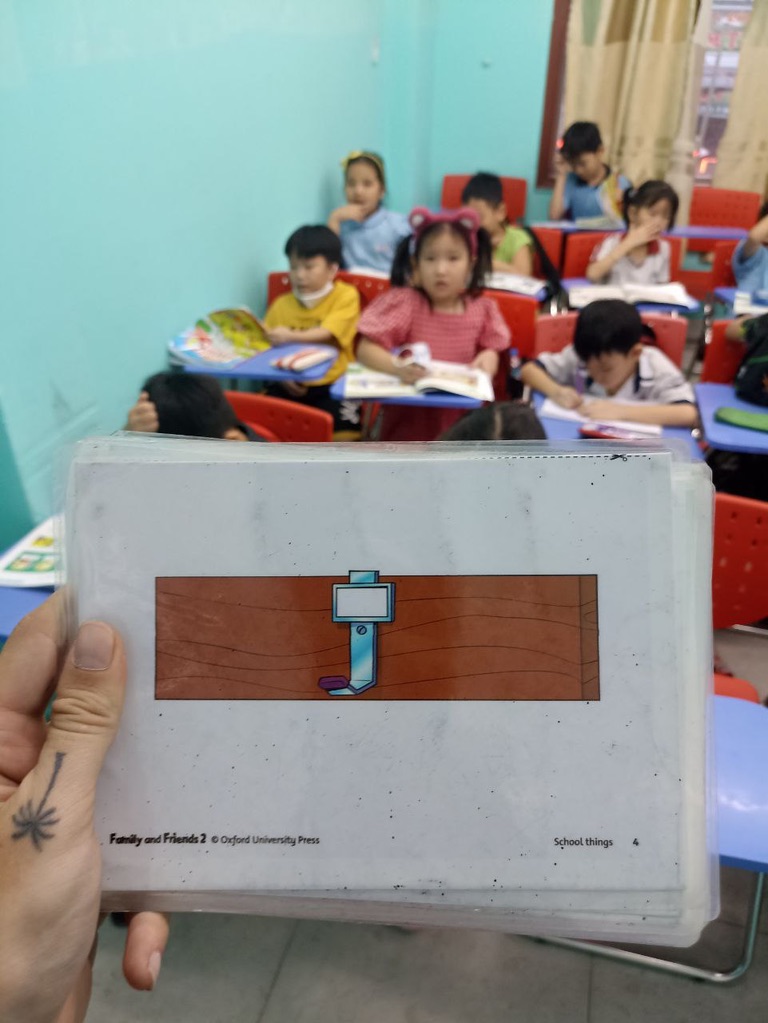
Flashcard-based vocabulary lessons are the backbone of most Vietnamese English classes.
State School Classes Have 40+ Students and No Air Conditioning
If you're placed in a state (public) school in Vietnam, be prepared for large class sizes — often 40 to 50 students per room. And in most of these classrooms, there's no air conditioning. At best, you'll have ceiling fans.
Vietnam is hot. Teaching for hours in a warm room filled with 40 students is physically demanding in a way that classroom management courses don't mention.
Two things that make an immediate difference: developing a strong, clear teacher's voice (so you don't strain it trying to project over 40 kids) and wearing light, breathable fabrics. Both are practical investments in your comfort and longevity as a teacher.
Private schools and language centers typically have smaller classes and air conditioning — something worth considering when you're deciding what kind of placement you want.
So — Are You Ready?
None of these five things should put you off. They're simply the reality of teaching in Vietnam — a country where the cost of living is low, the demand for English teachers is high, and the experience of living abroad can genuinely change your life.
Thousands of non-native English speakers from Colombia, Morocco, Romania, and dozens of other countries are teaching successfully in Vietnam right now. They navigated these exact same surprises. So can you.
The difference between struggling in your first month and thriving from week one is almost always preparation — knowing what's coming, having the right support, and being placed in a school that fits your strengths.
Take the Free Quiz
Answer a few quick questions about your background and qualifications. Find out whether Vietnam is a fit and what salary range to expect — no email required.
Get the Full System
Not Native, Still Hired — the step-by-step system that's helped 700+ non-native teachers get legally hired in Vietnam. TEFL, CV, demo lesson, visa, and everything in between.